What began as a response to the murders of George Floyd and Breonna Taylor by police officers developed into a national protest to re-examine the nature of white supremacy in our criminal legal system. As we witnessed, Philadelphia was not immune to these protests. For months this summer, in brutalizing heat and amidst a global pandemic, Philadelphians of all ages, races and genders demanded structural change to the way Philadelphia not only polices its citizens, but also how it prioritizes its financial resources. What does this change look like? As we unequivocally heard over the summer, the people demand a long list that includes, but is not limited to – economic justice, an end to qualified immunity for police officers, and a dismantling of the Fraternal Order of Police.
These changes are complicated and ambitious, but that doesn’t grant cover for our elected officials to drag their feet. They can start with what the people were shouting the loudest—defund the police. City Council and Mayor Kenney are currently working to formulate the budget for the upcoming fiscal year 2021-2022, due by July 1st. They have a responsibility to listen to their constituents. The same constituents who were tear gassed, beaten and arrested. The same constituents who have to live under the fear of police violence every day of their lives.
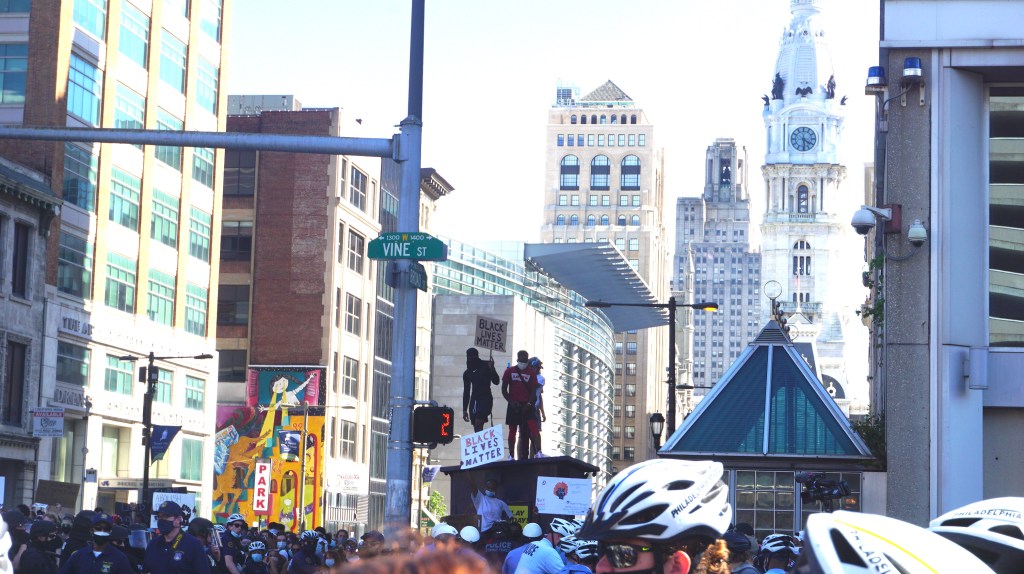
However, we don’t have to look as far back to this summer to see evidence in favor of this policy. “Safety We Can Feel”, a survey of Philadelphia residents published recently by a collaboration of community organizations, shows that 58% of people believe that the “police, when called, are very or somewhat unhelpful.” 75% think that “police are bad at preventing crime in their neighborhood” and most importantly, 96% “support reallocating police funding towards community services.”
Philadelphia would not be alone in beginning to cut law enforcement funding. In 2020, over 20 major cities across the country – San Francisco, Portland, Los Angeles, Austin – have reduced police budgets to the tune of approximately $870 million. These cities surely haven’t crumbled due to the crime that supposedly follows a reduction in police funding. They should be examples of how City Council and Mayor Kenney can proceed to address the toxic relationship between the police department and Philadelphia’s Black and Brown communities.
As a response to the summer demonstrations City Council introduced various police reform legislation. Council passed a mandate for city residency for all new police officer hirers. A referendum passed on last November’s ballot established a Citizens Police Oversight Commission, the scope of its authority however, is to be determined. Following the horrific incidents of tear gassing protestors and bystanders on I-676 and the 52nd Street corridor Council quickly sought to ban the further use of tear gas and other “less-lethal” munitions on protestors expressing their First Amendment right. Councilman Isaiah Thomas introduced legislation to limit police officer’s ability to conduct traffic stops, which disproportionately targets Black Philadelphians. These are all steps in the right direction but they do not go nearly far enough to address the overarching concerns brought to light this summer.
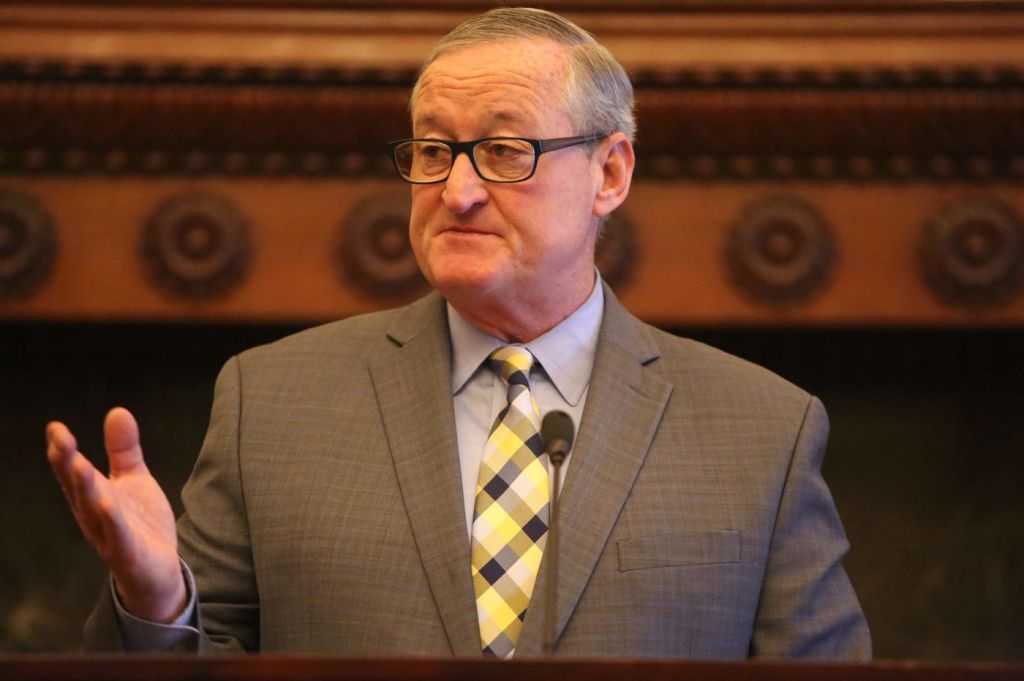
We need structural change to what our budget prioritizes, or in other words what we as a community prioritize. Every dollar spent on police funding is a dollar subtracted from affordable housing, mental health services, workforce training and many other much needed community services. Philadelphia still stands as one of the poorest big cities in America. Reallocating funding from the police department to community resources would not only prevent police violence but would work to confront the overwhelming poverty facing thousands of Philadelphians every day. Critics of defunding the police often cite gun violence as a reason for why it is irresponsible to subtract police presence from high crime neighborhoods. What they fail to address however is that despite the continual increase in police funding, Philadelphia has seen a record number of shootings last year, and 2021 is on pace to set new highs. It is evident that an over-reliance on policing has not been an effective deterrent to gun violence.
In response to the May 29th protests in Philadelphia, City Council President Darrell Clark said, “We need a new normal in our country and in our city. Our citizens are demanding to have a meaningful voice in creating that new normal. It is our responsibility to listen.” Other council members such as Jamie Gauthier, Kendra Brooks, and Helen Gym have publicly stated their support for reimagining a budget that focuses on public services instead of police supervision. To Mayor Kenney, Councilman Clark, and the rest of City Council, the people have spoken. We hope you have been listening.
 HOLD -UP