Cinque38 hits the scene with debut album
“I wanted it to be legendary” said Cinque38 in his in-home studio in West Philadelphia. On March 1st artist Cinque38 (Cinque Akbar) release DaBottom, a Love Story, his debut full length album. At 21 years old he displays a patience and wisdom seldom seen in young artists. His music and sound stems from hip-hop, and you wouldn’t be wrong to call him a rapper, however Cinque38 shies away from this label. “I’m an activist, I’m a visionary and I want to empower people” he says, “Music is a tool to empower them”.
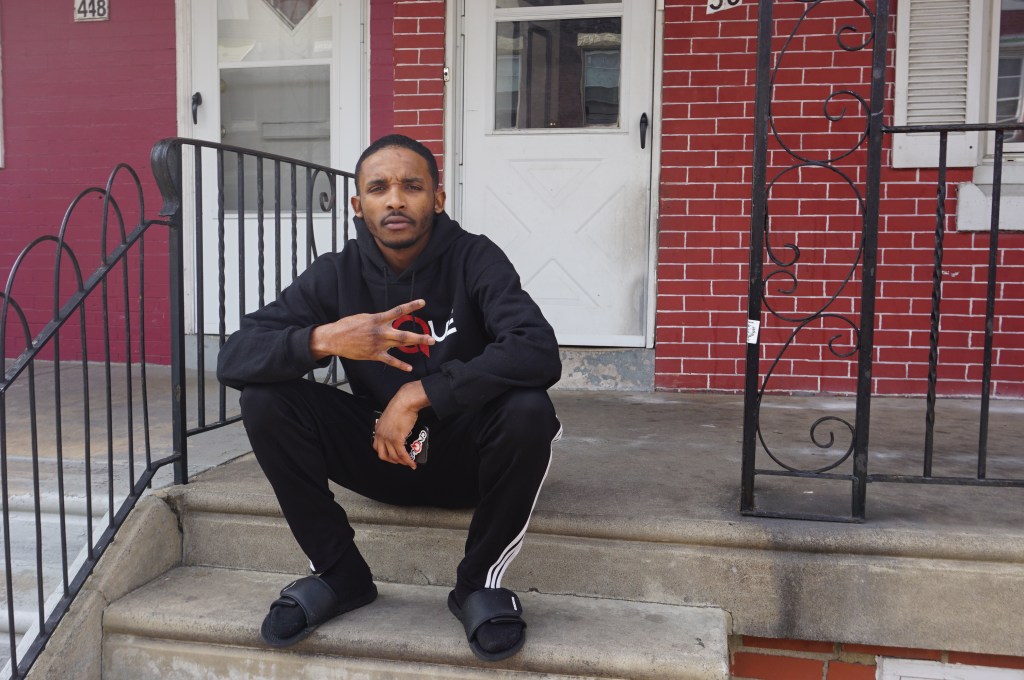
Much of the inspiration for this album comes from its name. DaBottom refers to Mantua, a small neighborhood which lies at the bottom of West Philadelphia, surrounded by the Schuylkill river and ever encroaching city universities, and is where Cinque38 grew up. His patience is illustrated in the process of preparing the album. He began creating this project when he was 17, and while young, his music matured exponentially over the following four years. The album never lingered, but rather blossomed. Cinque38’s ambition led him to self-produce, engineer and record the entire project.
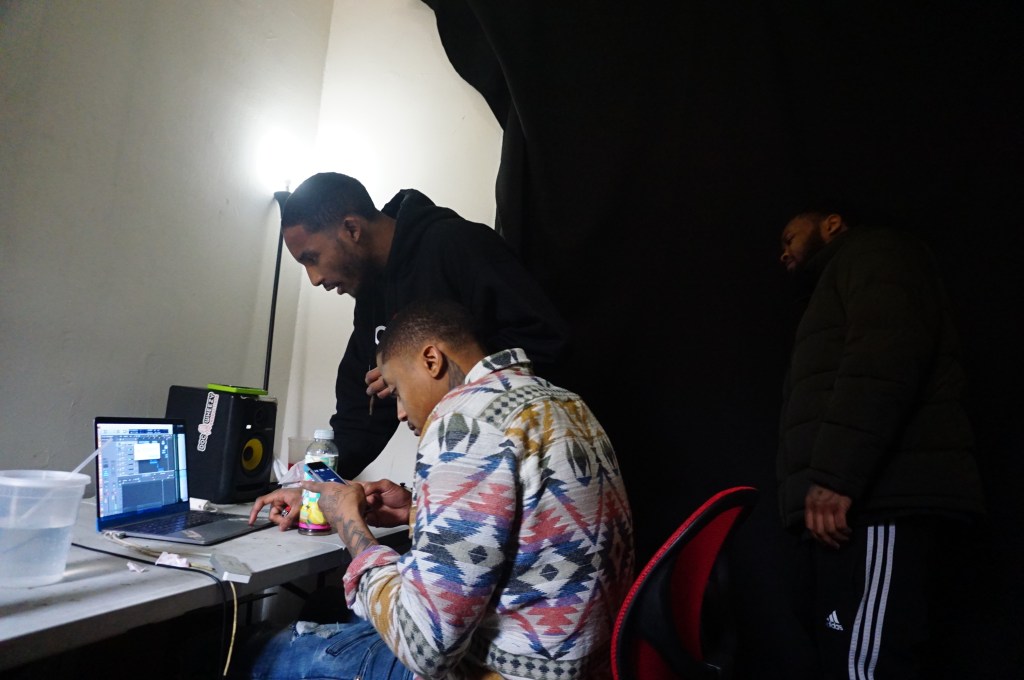
“I remember going to work with producers early on and I didn’t like their vibe” he says. “They weren’t honest about how to best utilize my time.” These uncomfortable experiences motivated Cinque38 to teach himself to produce his own music, while also offering him the ability to craft his own sound; one that is truly unique in today’s age of hip-hop. This independence gave him 100 percent creative control. From the sound structure to the cover art, Cinque38 had complete influence over this project.
DaBottom, a Love Story delivers 16 tracks lyrically filled, with a poetic tone. While artists such as Drake, Roddy Rich and Lil Uzi Vert dominant the hip-hop Billboard charts, Cinque38 takes a sharp right turn in his music style. These artists are undoubtedly talented, but they’ve mastered the template to use their music to become financially successful, while possibly sacrificing the emphasis of their art. While Cinque38 acknowledges the necessity of financial independence, he isn’t motivated by stardom or glamour. On “Operation Skyfall” he raps “Ray said I shouldn’t talk about the rapist shit/said talkin about the secrets never made me rich.” Similarly, on “Eleventh Hour” he states “My superstitions got me stuck at a frequency/the fame aint my vibe, I like to make my moves secretly.” Rather, financial success motivates Cinque38 for selfless reasons. He’s determined to not just aid his family, but his present community as well. He raps on “Big and Pac”, “Fuck a chain n****, this aint for fame/the block needs heavy fixing, I can paint a picture of its pain.”
At a young age, it’s apparent he’s not afraid to go against the grain. As a student of history, he’s takes great interest in the lessons of war. “I look at the (music) industry today as old warfare, armies lining up in similar formations to slaughter each other”. To the contrary he says “I approach my music with a guerrilla warfare mindset”. He acknowledges the game young artists must play to reach the heights of the music industry, however he’s content with forging a new path. From talking with him you get the sense that he’s a purist, and it shows it his music. Like a chess player whose queen is boxed in, every lyric is strategically place, none are wasted. Every song is prioritized and offers a deliberate message.
When making the album he attempted to create a record that you could enjoy as a relaxing background ambiance, but could also capture and hold your attention with each line if you desired. The album is unique in it that has multiple themes. It is radical in its activist content, but possess a tone so that you feel at ease as if walking in the park yet, still provokes a Philly bravado that can spark your confidence. “I want people to be able to keep coming back to this album and hear something new each time” says Cinque38. He hopes listeners can take lessons away from his own mistakes and triumphs, all of which he articulately describes. Not only does he present his own experiences but, he examines the intricate problems of society, from politics and religion to classism.
Artists like Chance the Rapper, Lauren Hill, Kendrick Lamar and Tupac have all been inspirations for Cinque38, and undoubtedly their influence is heard in his music. This album encapsulates Tupac’s activist spirit, along with Lauren Hill’s melodies and Kendrick’s lyricism. But his inspirations go much further than just those. “I’m just someone who loves music” he says. From jazz, to blues, to soul music, they all are found in DaBottom, a Love Story.
Cinque38 certainly has a poetic style of rapping, which he acknowledges doesn’t conform to the popular sound of hip-hop today. However, he’s confident in his to ability for his music to be popularized. Artists like Andre 3000 and Kendrick Lamar have certainly succeeded at popularizing their music while also preserving their originality; there’s no reason that Cinque38 can’t as well. He’s felt the pressure to adapt to the music industries standards, but he doesn’t waiver. For when his music does reach popular recognition, he says “I look forward to telling people I told you so.”
This is only the beginning for Cinque38. To follow DaBottom, a Love Story he has an EP titled Fronts in the books, and he would like to create an ambitious catalogue of 9 albums total. Additionally, along with his brother, he opens his studio up to fellow artists looking to record music. It’s here where he’s able to put his production experience to use, and it’s one of the many ways he’s also able to use music experience to give back to West Philly.
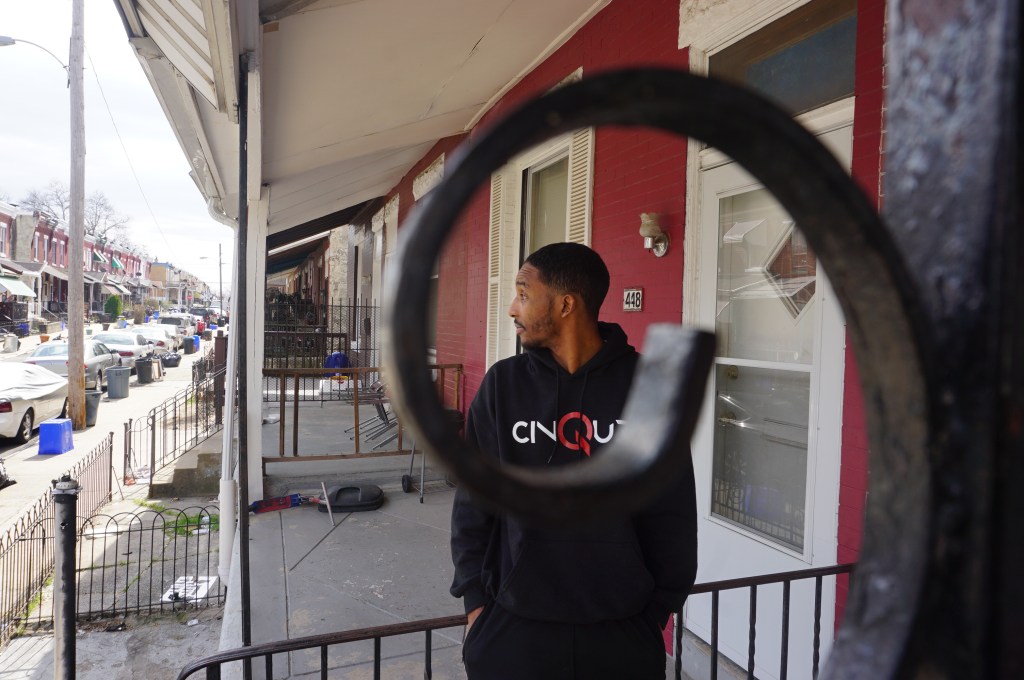
As we continued talking, I asked him his thoughts on the focus of his debut project. DaBottom is everything for Cinque38. It made him who he is and gave him his drive. “It (DaBottom) doesn’t discriminate” he says, “It doesn’t matter who you are, or if you’re having a good day or bad day, it treats you the same”. I find this project offers a similar sentiment. It comes at you straight by putting its intentions front and center. DaBottom, a Love Story doesn’t discriminate by rejecting certain listeners, nor does it cater to any. It’s simply presented to be appreciated, but if one is bold enough to dive deeper into the its contents the rewards are endless.
Instagram: https://www.instagram.com/cinque38/?hl=en
Music Links: https://distrokid.com/hyperfollow/cinque38/dabottom-a-love-story-4
Meet Philly’s most well-known photographer, Harvey Finkle
On December 13th Movement Alliance Project (MAP), formally known as Media Mobilizing Project, held their annual Community Building Dinner. It offered a time for the city’s activist community to take a break from their various battles with Philadelphia’s establishment and rejoice over the year’s past accomplishments. It was an exciting evening, filled with the likes of community organizers and allied politicians. Young kids ran the halls while adults struck a pose in the photo booth. However, as the room stirred with activity one man beside me sat quietly taking it all in.
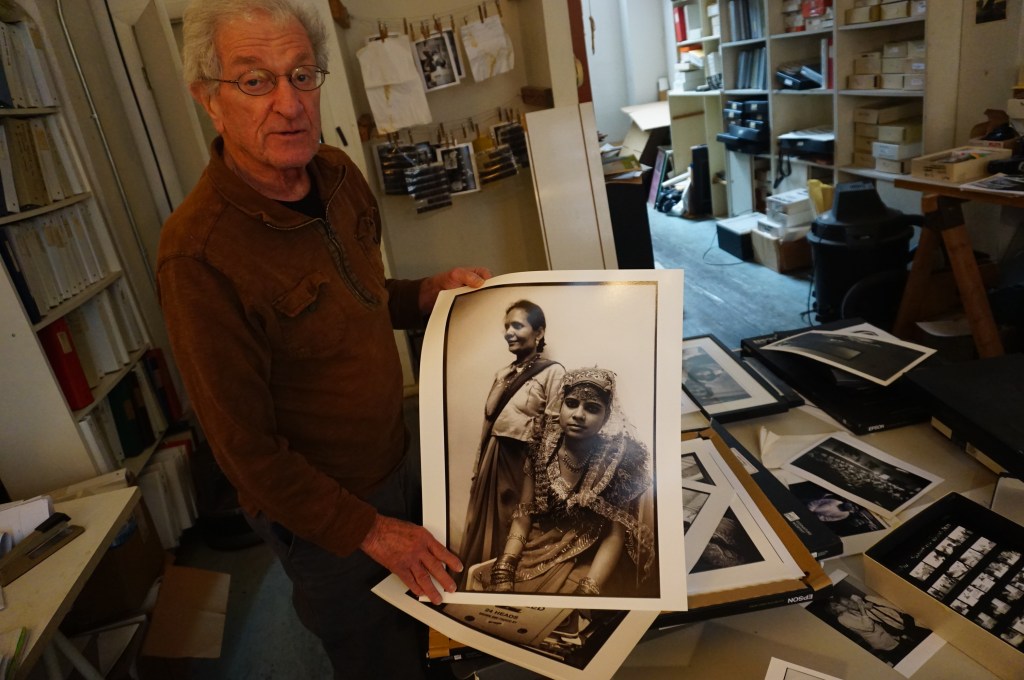
His name is Harvey Finkle, the renown photographer covering Philadelphia social movements and issues for the last half century. Finkle’s presence didn’t go unknown, in fact he was quite popular. As we sat and talked guest after guest made sure to venture to our table to greet Finkle; in a manner of paying respect, rather than gesturing a simple hello. Finkle’s work and achievements sprawls five decades and is practically endless. His work illuminates issues left in the dark, while simultaneously telling the historical story of Philadelphia and areas abroad. Recently I sat down with Finkle in his Sansom Street studio in Center City to learn more about his story and to highlight the incredible work he’s produced.
At 85 years old Finkle doesn’t seem to miss a beat. Without hesitation he recalls decades old moments he experienced while shooting demonstrations or protests. A native of Philadelphia, Finkle has lived almost his entire life in the city of brotherly love. He grew up in Oxford Circle and attended Central High School. “I didn’t like school that much” said Finkle “It was too containing”. School came second to Finkle during his early years. He described his love for jazz music and how him and his friends in the early 50’s would often attend jazz clubs. One in particular he mentioned was the Blue Note, a club that was located on 15th and Ridge in Fairmount. “We were 15 or 16, but it didn’t matter. You’d give the bouncer a buck and you were good to go in” he said. “I loved it; I could sit there for hours”. Years later, Finkle found that his interest in jazz translated into his photography. “Street photography is like jazz; you have to improvise”. Most of Finkle’s work is dependent on capturing a moment in real time. Just as jazz musicians adjust to the atmosphere of their audience, Finkle must instinctively adjust to the situation of his subjects.
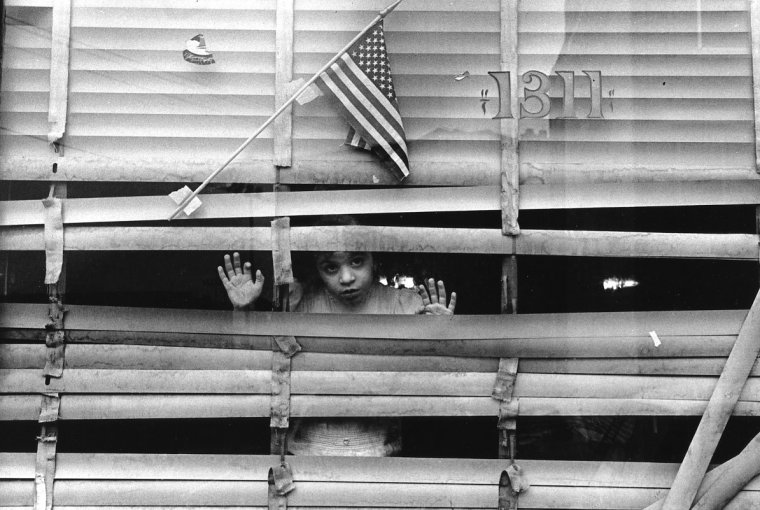
What struck me most about Finkle is that he didn’t grow up with an interest in photography, let alone art in particular. In fact, photojournalism is his second career. After serving two years in the army, Harvey graduated from Temple University and began a career in social work. He began his career as a case worker for the city’s welfare department and later transition to work around incidents of reported child abuse. Similarly to his love for jazz, Finkle found that his time as a social worker assisted him in his career as a photojournalist. “This was good training for me to be a photographer” he said, “Because you’re in a home where people don’t want you there” He continued his career in social work by helping to establish services for Pennsylvania’s elderly community, and went on to earn his masters in Social Work from the University of Pennsylvania, where he also later worked to establish a curriculum around matters of aging and the elderly.
Finkle’s interest in photography wasn’t sparked until 1961 when he visited an exhibit by Harry Callahan at the Philadelphia Museum of Art. He was inspired by Callahan and learned from his work, along with the works of W. Gene Smith, Andre Kerterz and Josef Koudelka. Following in their footsteps Finkle shoots predominantly in black and white film. However, it wouldn’t be until 1967 that he picked up a camera. This was around the time his children were born, and like any new parent, Finkle bought his first camera to ensure that no moment of his new family would be forgotten. Quickly, Finkle took a greater interest to photography and began snapping photos as a hobby. “I would walk the streets and just shoot what caught my eye” he said.
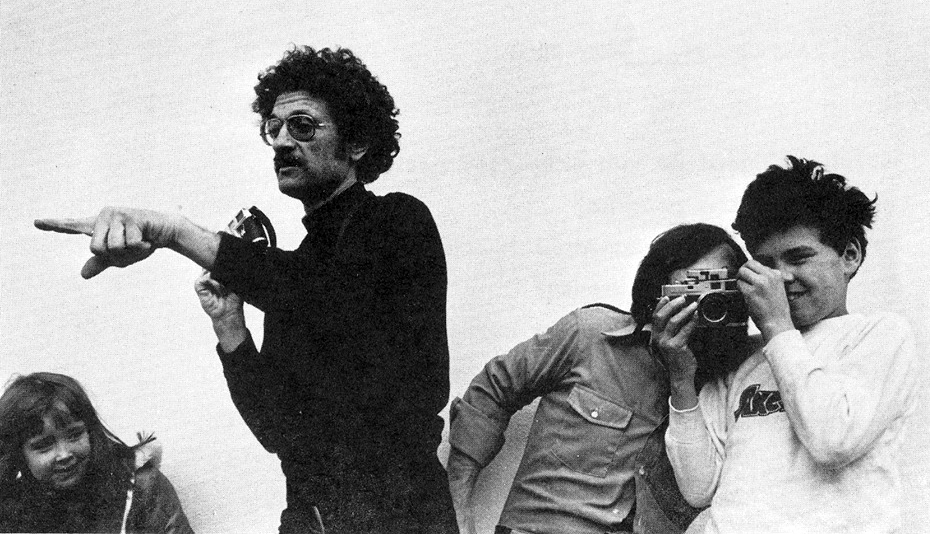
Year by year his interest grew, and by 1972 he had fully fallen in love with photography. His family photoshoots and street walking had transitioned into a full-time job as a freelance photographer and photojournalist. His career is too extensive to cover every moment, but he walked me through stories and moments that were influential to his work. His career covers a full spectrum of work. It includes long tenures with social movement organizations or outlets like the Philadelphia Public School Notebook, Juntos, Disabled in Action, Project Home and the New Sanctuary Movement, just to name a few. When these organizations held a protest or demonstration Finkle was their man there to captured it all. What was astonishing to me is Finkle’s generosity. When shooting for these organizations and those like it, he predominately shot free of charge. What’s most important for Finkle are the issues these people are fighting for.
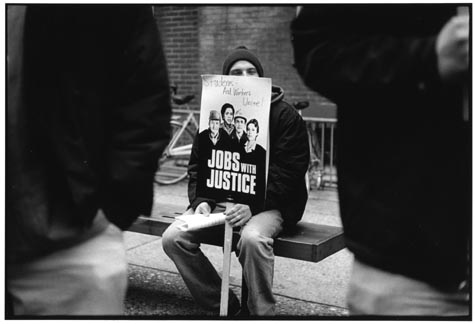
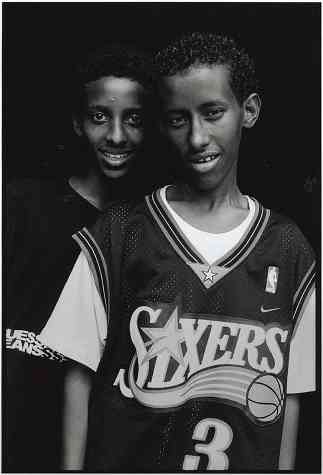
When not shooting for allied organizations Finkle seeks stories that he believes are important and deserves to be told. His projects mainly focus on people and circumstances that normally go unnoticed by mainstream media sources. Issues of poverty, labor rights and immigration. He has created numerous exhibits that have been shared across the United States and displayed to international audiences. Partnering with the Honickman Foundation and the Philadelphia Free Library Finkle created the Philadelphia Mosaic exhibit. With this project he followed ten immigrant families through Philadelphia to capture what routine life is like for them in a new land. As he followed these families from their children’s classrooms, to their dinner tables and to their areas of worship he’s able to show the nuances of life these families share not only with one another, but with the surrounding Philadelphia community.
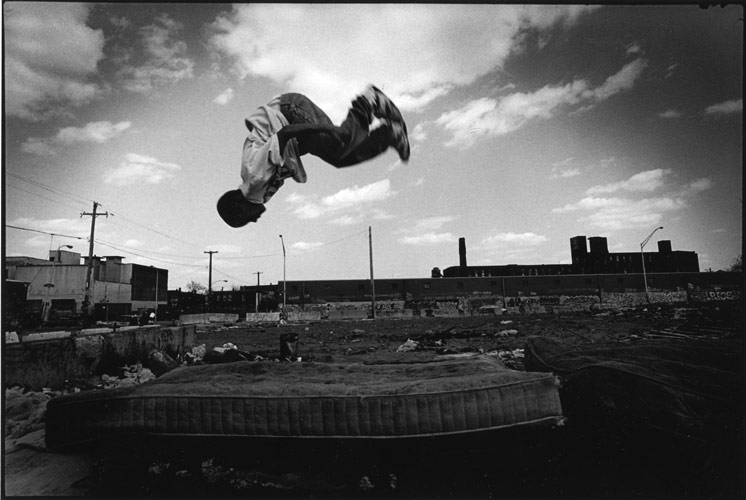
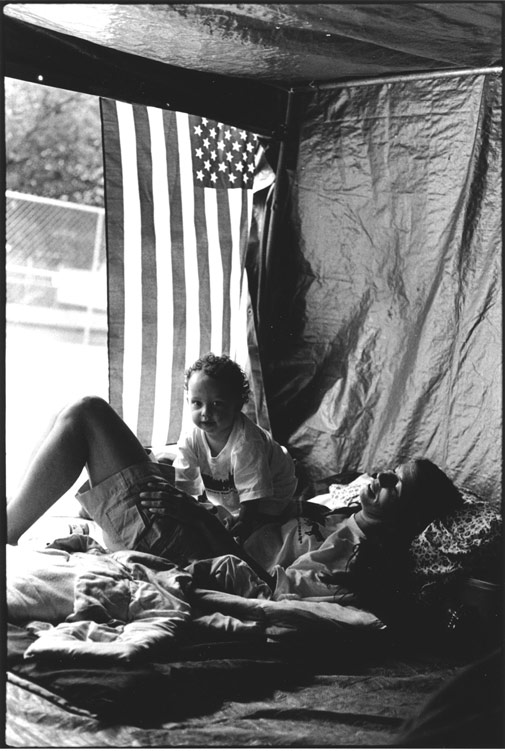
Finkle is able to find the reality of the subjects he’s shooting. For instance, the reality of poverty facing too many of our fellow citizens. Partnering with the William Penn foundation and the Kensington Welfare Rights Union, Finkle created Urban Nomads: A Poor People’s Movement – a project offering insight into the lives of Philadelphians living in extreme poverty and homelessness. His photographs tell the hidden narrative. When touring with this exhibit in Brazil Finkle recounted the astonishment on people’s faces. “They couldn’t believe that this sort of poverty existed in the United States” he said.
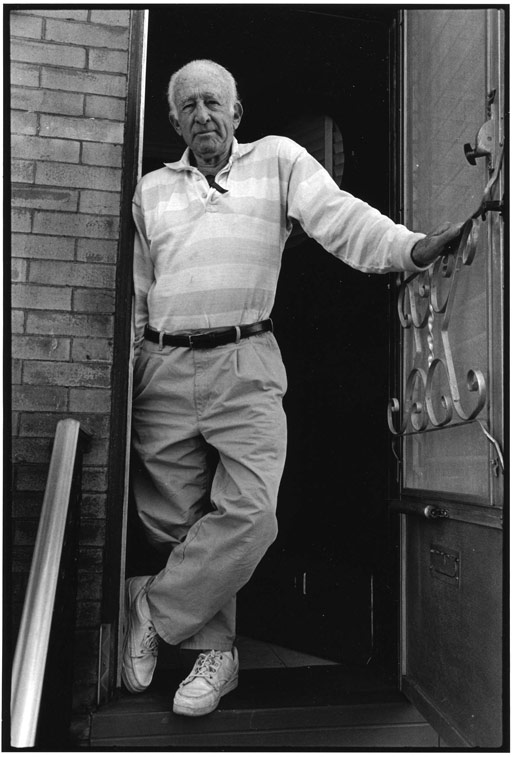
Finkle’s work also focuses on the history of Philadelphia. One of his most well-known projects is Still Home: The Jews of South Philadelphia. South Philadelphia was known for its many immigrant communities who settled there in the 19th and 20th centuries. What once was a sprawling community of over 200,000 Jewish people, had dwindled significantly by the turn on the millennium. With this project he captured the spirit of an aging but vibrant community and its contribution to the history of South Philadelphia.
Finkle’s collection of work is a time machine of the social, political and activist history of Philadelphia. For me, Finkle is not only a Photographer but is a historian. As we talked, he described moments in Philadelphia’s history that has shaped the wrought city into its existence today. One moment in particular was the 1967 Philadelphia School Board hearing, in which 3,000 mostly black students march upon the Board of Education building to demand curriculum and school policy changes. These brave students were met by riot officers wielding night sticks and police dogs, sent by orders of then police commissioner Frank Rizzo.
This powerful but unfortunate demonstration was significant for Finkle. Concerned citizens disgraced by the treatment of African American students in the classroom and the city’s violent response to their peaceful protest spawned the People for Human Rights movement in Philadelphia. From this movement, Finkle cofounded The People’s Fund, – a nonprofit organization whose mission is to raise money for grassroots organizations working for “racial equity and economic opportunity for all” – which today is known as Bread and Roses Community Fund.
His experiences in progressive movements offers a distinctive perspective on Philadelphia. I was intrigued in hearing his thoughts on the current state of the city. “Philly is a tale of two cities” he said. Everything has changed culturally for Philadelphia according to Finkle. The city is much more vibrant and active in many areas, but for many less fortunate people nothing has changed. “It hasn’t changed for those who are poor.”
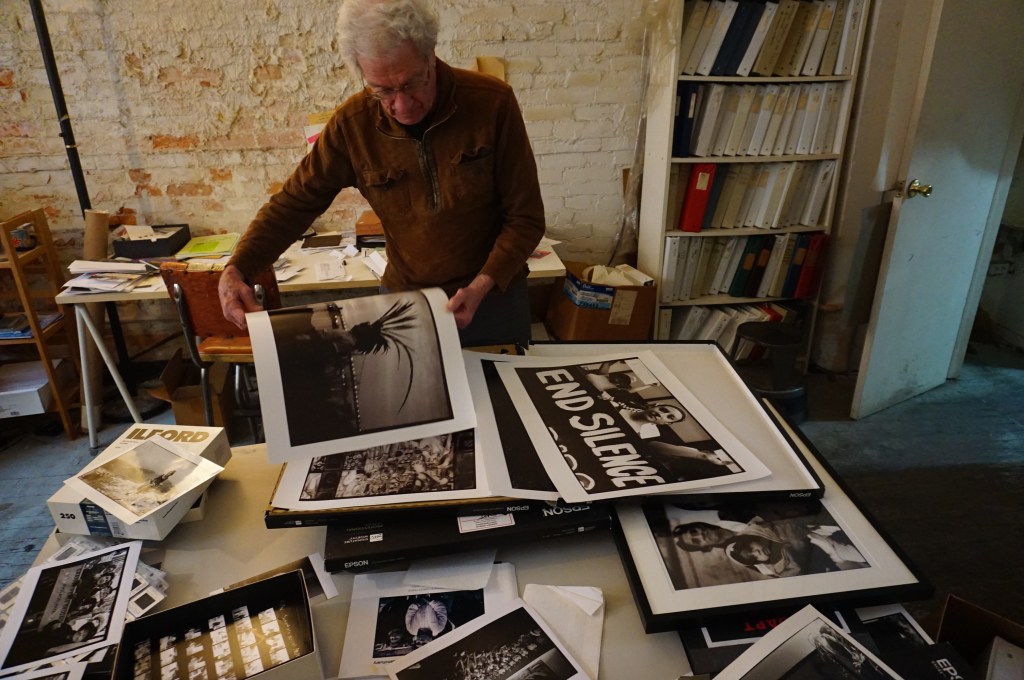
Currently Finkle is working on archiving his work. A task that isn’t easy for someone with five decades worth of material. Once complete, people will be able to absorb work that offers a realism into the social struggle for equality, along with the hidden history of Philadelphia. I asked Finkle to offer a word of advice for aspiring photographers. With little hesitation he said, “Do it. Take out your camera and click it”. He urged photographers to pave their own path. “Find what’s important to you and tell that truth through your photographs.”
The whiteness of Hollywood’s ‘best’ movies
Recently I came across an article that immediately caught my attention. “The 100 best TV shows of the 21st century”. Being an avid procrastinator, I fill much of my time by binging TV shows thanks to our many readily available streaming services. You name it, I’ve seen it – The Office, Breaking Bad, The Wire, Game of Thrones and of course, the one that changed television in all the best ways, The Sopranos (Which I’m happy to see The Guardian hit the nail on the head by awarding Tony and his crew the number one spot).
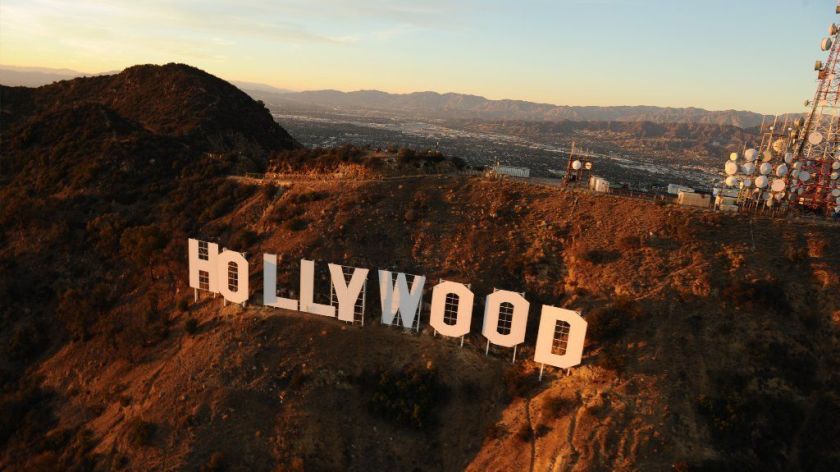
This list left me curious on another method I indulge in frequently to procrastinate, movies. What are the top 100 movies of all time (as if a list of that sort is even achievable)? After a swift Google search I found lists by The Hollywood Reporter, IMDb, The American Film Institute (AFI) and Empire. I’ll save you the time if your curiosity is killing you. The Godfather received the crown from three out of four lists. The AFI was more partial to Orson Welles’ 1941 film Citizen Kane.
There is no accurate way to produce a list of such a subjective topic. While AFI proclaimed Citizen Kane the best movie of all time, Empire believed it deserved a more mediocre placement at number 46. Quinten Tarantino’s first film Reservoir Dogs made the cut for two lists but was booted from the other two. It’s an impossible task to bundle down 100 years of cinematic brilliance into a what feels like a surprisingly short list. However, while I jumped from one list to the next, I did develop one similar complaint. Not one movie on any of these lists starred a Black person as the sole lead role.
The issues of racial equality in Hollywood is a well-documented problem. It was of course brought to light during the 2015 and 2016 Oscars when not a single person of color was nominated for best/supporting actor/actress award, resulting in many Black members of Hollywood boycotting the event. To be fair, there are a handful of movies on these lists that star a Black person as a second leading role such as Rocky or Star Wars. Others give opportunity for Black actors to share the big screen’s leading role with a white counterpart, such as Pulp Fiction, Shawshank Redemption and Blazing Saddles.
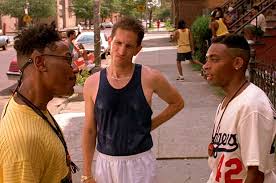
My critique of these lists was sparked by its absence of Do the Right Thing, Spike Lee’s 1989 masterpiece, a movie that was fresh in my mind from watching it a few days prior. How does arguably the best movie, by one of the best film makers of the last 40 years, not make the cut? This then got me thinking, what other movies starring a Black person as the leading role were missing from this list. American Gangster, Training Day, 12 Years a Slave, Moonlight, Boyz N the Hood, all were left off, but each one can muster a strong argument for deserving to be on these lists. As my mind did somersaults trying to find one reason to justify these exemptions, I kept returning to two explanations.
First, Hollywood’s decision makers have a prejudice against trusting black and brown actors to carry a movie as the sole leading man. Why couldn’t Wesley Snipes play John McClain in Die Hard, or Morgan Freedman take on the role of Chief Brody in Jaws (freedman would make a convincing in over his head police chief if you ask me). This absurdity is best exemplified by the backlash Idris Elba received in 2015 for simply having his name mentioned as a possibility to replace Daniel Craig in the 007 franchise.
In addition, Hollywood powers that be have a prejudice against promoting films that narrate the stories of Black and Brown Americans. In other words, stories that don’t fall accustom to the white main stream way of life. Boyz N the Hood is one of the most culturally impactful movies of the last 30 years. It sparked the careers of some amazing actors and actresses not to mention the career of John Singleton, the movie’s creator. In an article written in the New York Times shortly afterSingleton’s death, writer Touré makes a compelling point. Boyz N the Hood is no less a realistic coming of age story than Risky Business or The Breakfast Club; The Breakfast Club, which is considered a top 100 movie on one of the lists I must add. It depicts a part of American society that may be absent of many people’s daily consciousness. However, its cultural impact hasn’t gone completely unnoticed. In 2002 the Library of Congress decided it deserved to be preserved in the National Film Registry. What does the Library of Congress know that these Hollywood industry writers and publishers don’t?
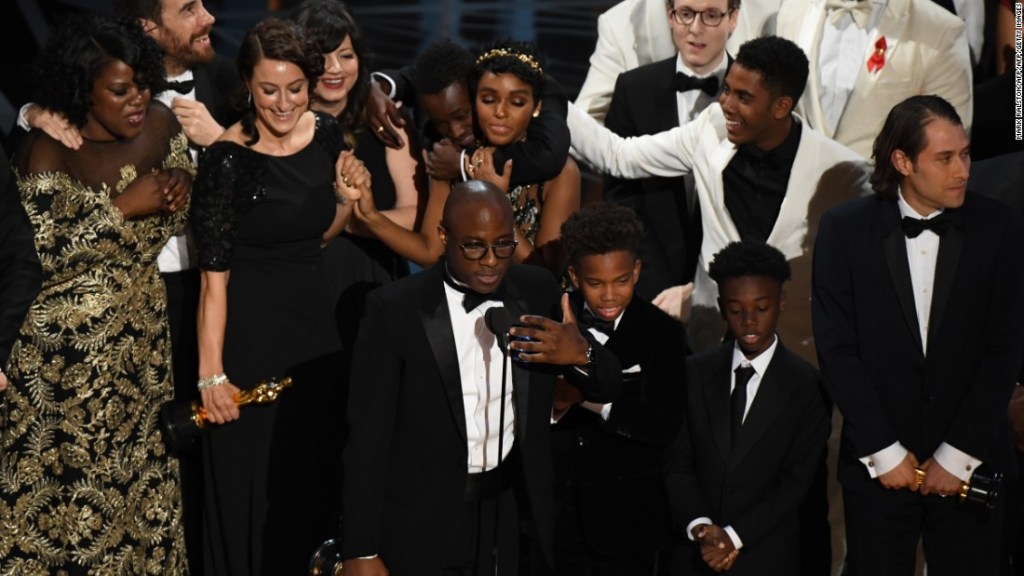
If you’re looking for a more recent example I point to Moonlight. Unlike Boyz N the Hood, Moonlight was awarded the academy award for best picture. It’s also a coming of age story, but depicted with a softer tone and more nuance cinematic style. But despite its more art house impression, the authors of the lists still didn’t consider it a top 100 movie.
I feel obligated to mention that this criticism thus far has only revolved around the lack of Black male actors. It’s important also to point out that while many movies I mentioned earlier costar a Black actor, none costar a Black actress aside from Zoe Saldana in Avatar; a movie where she’s digitally animated for half of her screen time. This problem of an oversaturation of whiteness in Hollywood extends to exclude not just Black and brown woman, but Asian, Latinx and all other actors and actresses of color.
It’s important to diversify the stories we as a society consume. The only way to grow is to expand our consciousness, and viewing films that tell stories that don’t cross our paths on a daily basis is a great way to do just that. Movies are also made to spark emotion in a viewer, I would argue that in many ways consuming a story that you may not experience regularly evokes excitement and curiosity that a movie viewer craves. Despite my criticism of Hollywood thus far I’m optimistic about its potential of inclusivity. Unfortunately however, like much of American society, it seems to be happening by kicking doors down instead of them being politely let open. Michael B. Jordan, possibly one of the biggest names in Hollywood right now, founded Outlier Society, a production company dedicated to creating films and other projects with a focus on culturally diverse stories and film staffs. Outlier Society’s first project is set to be released on December 25th 2019. It tells the true story of Bryan Stevenson (Michael B Jordan), as he establishes the Equal Justice Initiative and works to appeal the murder conviction of Walter McMillian (Jamie Fox) who’s on death row. I’m extremely excited for this film and to see the future works that come from Jordan and the rest of Hollywood’s new talented diverse generation.
 HOLD -UP