If you mention the Philadelphia Police Department the first thing that may come to mind is the mid-August police stand-off in the Nicetown-Tioga neighborhood of North Philadelphia. A stand-off that resulted in six officers wounded and chaos at the doorsteps of worried neighborhood bystanders. While this was an unfortunate situation for both the officers involved and the residents of Nicetown-Tioga, it has seemed in some way to overshadowed the many worrisome stories involving the Department and its officers. Since June 2019, as if on cue, a new scandal involving Philadelphia police officers has surfaced almost monthly. Some involving Department practices, others involving varying inappropriate behavior by officers.
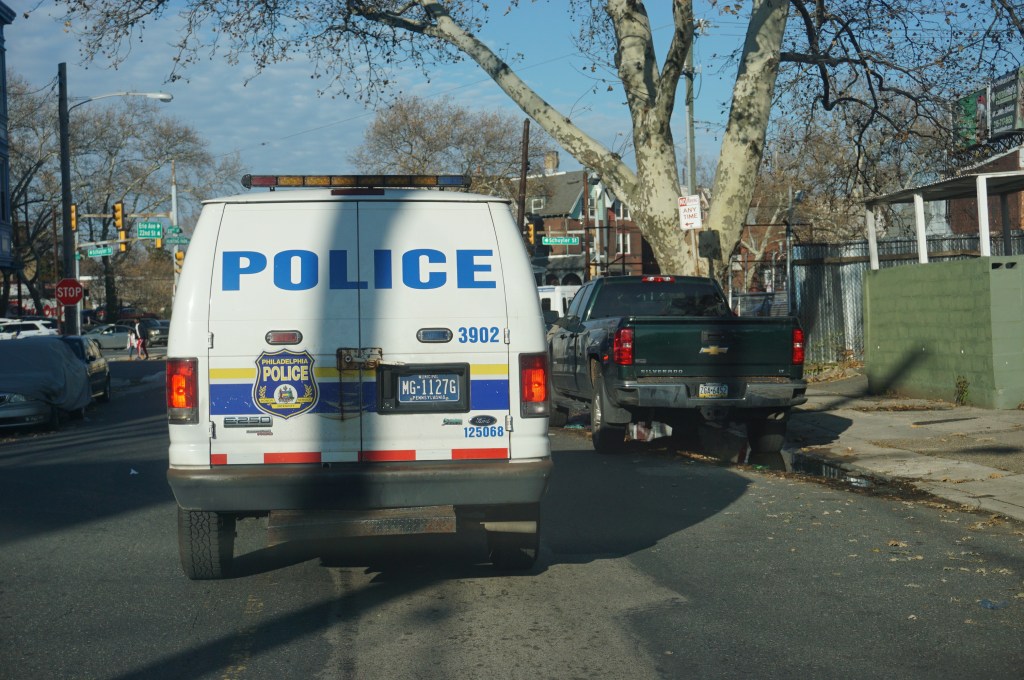
The recent string of scandals began in early June with the publication of the Plain View Project, a report that collected the Facebook accounts of approximately 3,500 active and retired officers, spanning eight police jurisdictions, who had authored offensive and disturbing messages. There are roughly 6,500 officers on the police force in Philadelphia, making it the fourth largest police department in the country. The Plain View Project was able to identify 1,073 Facebook accounts for Philadelphia police officers, of which 327 made “troubling posts or comments”. If you believe these numbers are an accurate sample size for the entire department, it shows that one in three officers walking the streets, patrolling neighborhoods and writing police reports has bigoted, offensive or disturbing feelings towards a large portion of Philadelphians. An investigation by the Philadelphia Police Department has led to the firing of 15 officers and a 30-day suspension for 7 more.
On August 20th, then Police Commissioner Richard Ross, resigned after female officers Audra McCowan and Jennifer Allen filed a federal lawsuit against Commissioner Ross and many of other high-ranking officials in the Department (including interim police commissioner Christine M. Coulter). This lawsuit had two major consequences. It detailed an alleged (which I believe) abundant culture of sexual and racial harassment in the Department. Additionally, McCowan – who has since resigned from the police force due to increased harassment from her fellow officers – claims Commissioner Ross “Ignored” her accusation of another officer that was sexual harassing her, because Ross was “seeking retribution” against her for ending an affair the two had between 2009 -2011. Ross resigned shortly after the lawsuit was filed. The tabloid drama of an affair doesn’t bother me, but an alleged culture of sexual and racial harassment by police officers is very troublesome, along with a commissioner’s alleged reluctance to mitigate that culture.
Ross was replaced by Deputy Commissioner Christine M. Coulter, who currently serves as interim Commissioner until Mayor Jim Kenney is scheduled to appoint a formal Commissioner by the end of 2019. The city had just appointed its first female Police Commissioner following the development of a sexual harassment scandal within its department. This should have been a joyous occasion. Unfortunately, the honeymoon was cut short. Ten days after Coulter was promoted an article was released that shows a 1990’s picture of Coulter sporting a t-shirt that reads “L.A.P.D. We Treat You Like a King”. Set aside the fact that the shirt is blatantly offensive and disrespectful to any Black person, or someone who believes in justice, Coulter responded by not apologizing for ten days.
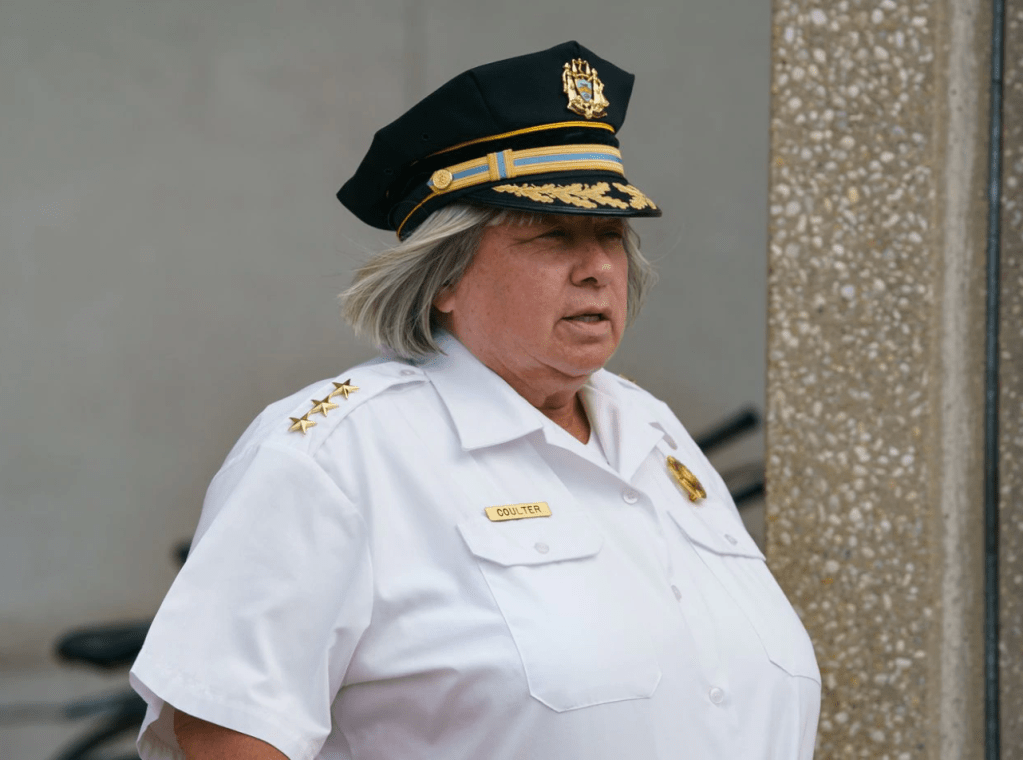
Council Woman Cindy Bass called for her resignation, which I agree with. I’m not saying Coulter is racist, I don’t know the woman, I didn’t know of her role in the police department until her promotion. But I do know that a Police Commissioner who presides over a city that is 44% Black should have never in her past reckoned that it was ok to wear such a shirt, nor should it have taken her more than fifteen minutes to apologize for her behavior.
Fast forward a couple weeks, the Philadelphia Inquirer published an article detailing the arbitration process for dismissed or punished officers. The arbitration process is a product of the contract reached between the Fraternal Order of Police Lodge No. 5, the officer’s local police union, and the Police Department itself. Any officer fired or disciplined by the Department, through an investigation by its internal affairs division or Department officials, is given the blessing of a final review by a third-party mediator.
I’m all in favor of strong unions that can provide helpful protections for its workers, however this arbitration has the effect of possibly over protecting, and in many cases putting bad cops back on the street at the expense of the public’s trust, or even safety. In many cases cops who have committed domestic violence, sexual assault or various other crimes have been reinstated or had their punishment reduced thanks to the arbitration system. The arbitration process requires testimony from victims or witnesses of the behavior in question by the officers. Often, these officers are successful in their grievance because witnesses are unable to appear, either because the hearing is months or years after the event took place, they fear retribution from the officer or the simple can’t be reached.
According to the article, the last four Philadelphia Police Commissioners are critical of the arbitration system. They believe, as do I, that this system is detrimental to securing trust between the Department and the people it’s sworn to protect. If an officer is suspended/fired for falsifying a testimony, making an illegal arrest or being a danger to the community while off duty, but is sent back on street with a gun and a badge and the authority to beat, detain and even kill other people, all while receiving back pay, you’re damn right a community and its people would be cynical with the system its entrusting with its safety.
Jump ahead a month to October 14th, and Philadelphians are looking over their shoulders seeing if it’s safe to take a big deep sigh of relief from the constant embarrassment of its Police Department. Collectively, the city opens the Philadelphia Inquirer, and to their woe must hold that sigh of relief for a brighter day. This time, it appears that Philadelphia police were drastically increasing the number of traffic stops they were conducting, an overwhelming majority of which were falling on Black and Latino drivers. Attorney Michael Mellon of the Defenders Association of Philadelphia discovered that as of the first half of 2019 police were making on average 10,000 more stops a month compared to years prior. While only combining for approximately 57% of Philadelphia’s population, Blacks and Latino’s composed 74% of all vehicle stops and 80% of all vehicle searches during this time.
A 2011 lawsuit over the racial disparities in stop and frisk violations in Philadelphia included, but did not focus on, vehicle stops. This lawsuit resulted in a consent decree between the city and local civil rights attorneys, giving the attorneys inspector privileges of future pedestrian and vehicle stops. These attorneys have previously prioritized pedestrian stops, but have signaled that they will be adjusting their focus to vehicle stops and searches. What’s most alarming about these findings is that although Black and Latino drivers have their vehicles searched four times more often than white drivers, white drivers are found with contraband at a higher rate.
What does this mean for Philadelphia, a city who isn’t foreign to conflicts between its citizens and its police department? These recent incidents are not the first examples of indecent behavior by Philadelphia cops. Other examples include the 2011 lawsuit against the city for its harassing use of stop and frisk, a list uncovered by the District Attorney’s office detailing names of officers too tainted and untrustworthy to put on the stand in court proceedings and the infamous 1985 MOVE bombing that left 11 people dead and an entire city block of homes burned to the ground. The recent string of events simply adds to the long history of an unsettling relationship between the police and the people it’s sworn to protect. Unfortunately, the last many months has only made it more difficult to rebuild this relationship.
However, there are opportunities Philadelphia can employ to work towards gaining its citizens trust back. Mayor Jim Kenney has announced that he hopes to have a choice for a new police commissioner by the end of 2019. Eagles safety Malcom Jenkins, who since 2017 has been very vocal around criminal justice reform and police brutality, has put Mayor Kenney on the hot seat by publicly stressing the need for Kenney to nominate a commissioner who is dedicated to reforms within the department. Jenkins also demanded that the public have an input on the search for a new commissioner and that the process be transparent. In a recent op-ed in the Inquirer, Jenkins said “If the commissioner avoids us when just a candidate, how will that person respond when he or she’s already in office and things get hard”. Jenkins also advocated for a commissioner who has the courage to stand up to the police union, a remark that issued an unsurprising rebuttal by union president John McNesby.
I’m very much in support of citizens becoming active in holding elected official responsible, however, it’s unfortunate that these demands haven’t come from our City Council representatives directly, the people we empower to make these decisions for us. Hopefully, with the election of four freshman City Council members, who ran on agendas that included progressive (some more than others) criminal justice reform, we will see a change in this regard.
 HOLD -UP