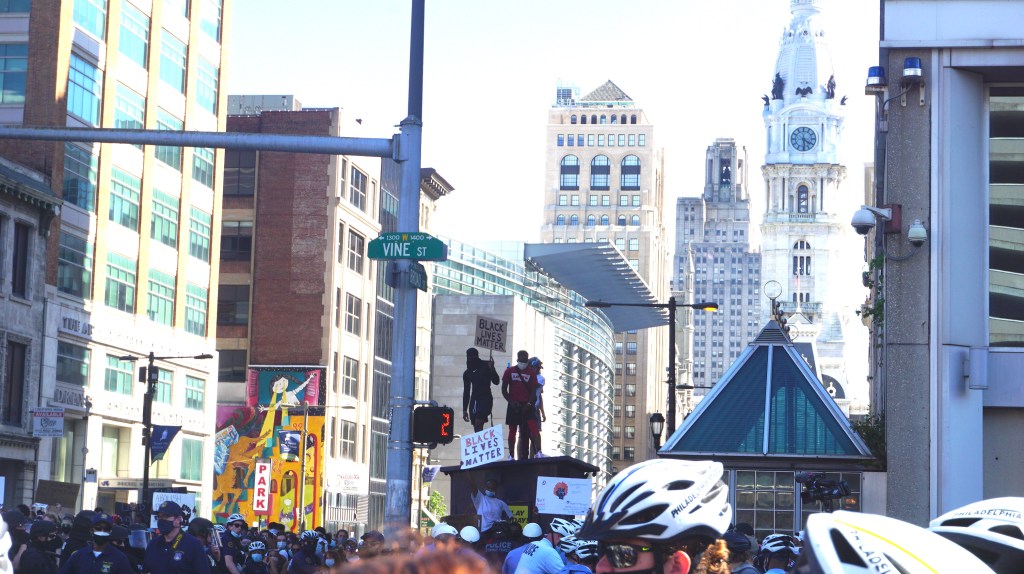
What began as a response to the murders of George Floyd and Breonna Taylor by police officers developed into a national protest to re-examine the nature of white supremacy in our criminal legal system. As we witnessed, Philadelphia was not immune to these protests. For months this summer, in brutalizing heat and amidst a global pandemic, Philadelphians of all ages, races and genders demanded structural change to the way Philadelphia not only polices its citizens, but also how it prioritizes its financial resources. What does this change look like? As we unequivocally heard over the summer, the people demand a long list that includes, but is not limited to – economic justice, an end to qualified immunity for police officers, and a dismantling of the Fraternal Order of Police.
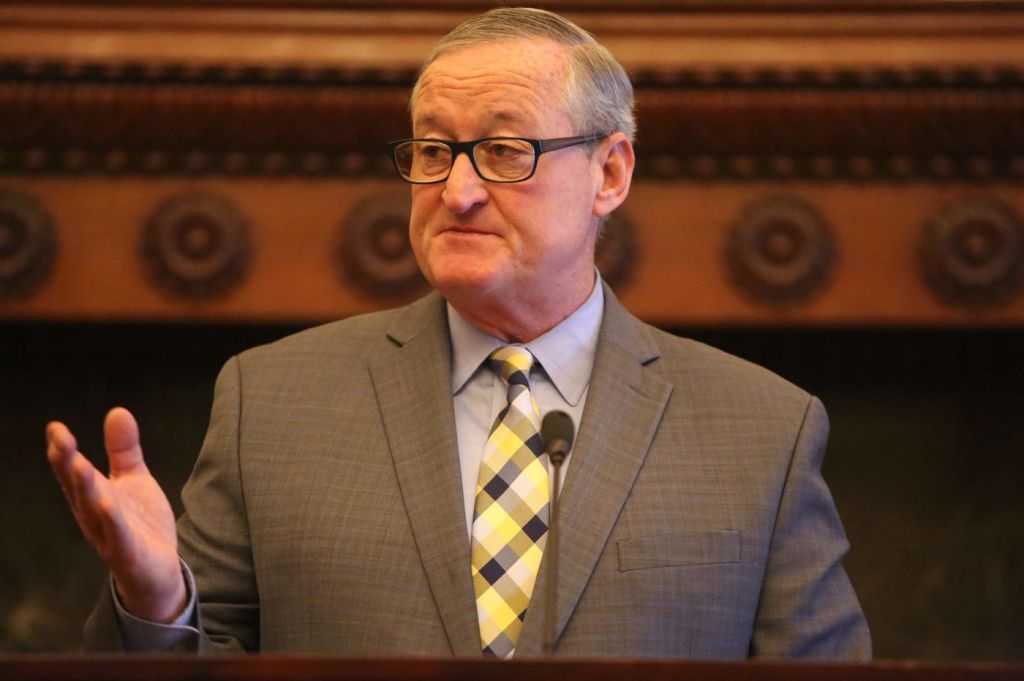
These changes are complicated and ambitious, but that doesn’t grant cover for our elected officials to drag their feet. They can start with what the people were shouting the loudest—defund the police. City Council and Mayor Kenney are currently working to formulate the budget for the upcoming fiscal year 2021-2022, due by July 1st. They have a responsibility to listen to their constituents. The same constituents who were tear gassed, beaten and arrested. The same constituents who have to live under the fear of police violence every day of their lives.
However, we don’t have to look as far back to this summer to see evidence in favor of this policy. “Safety We Can Feel”, a survey of Philadelphia residents published recently by a collaboration of community organizations, shows that 58% of people believe that the “police, when called, are very or somewhat unhelpful.” 75% think that “police are bad at preventing crime in their neighborhood” and most importantly, 96% “support reallocating police funding towards community services.”
Philadelphia would not be alone in beginning to cut law enforcement funding. In 2020, over 20 major cities across the country – San Francisco, Portland, Los Angeles, Austin – have reduced police budgets to the tune of approximately $870 million. These cities surely haven’t crumbled due to the crime that supposedly follows a reduction in police funding. They should be examples of how City Council and Mayor Kenney can proceed to address the toxic relationship between the police department and Philadelphia’s Black and Brown communities.
As a response to the summer demonstrations City Council introduced various police reform legislation. Council passed a mandate for city residency for all new police officer hirers. A referendum passed on last November’s ballot established a Citizens Police Oversight Commission, the scope of its authority however, is to be determined. Following the horrific incidents of tear gassing protestors and bystanders on I-676 and the 52nd Street corridor Council quickly sought to ban the further use of tear gas and other “less-lethal” munitions on protestors expressing their First Amendment right. Councilman Isaiah Thomas introduced legislation to limit police officer’s ability to conduct traffic stops, which disproportionately targets Black Philadelphians. These are all steps in the right direction but they do not go nearly far enough to address the overarching concerns brought to light this summer.
We need structural change to what our budget prioritizes, or in other words what we as a community prioritize. Every dollar spent on police funding is a dollar subtracted from affordable housing, mental health services, workforce training and many other much needed community services. Philadelphia still stands as one of the poorest big cities in America. Reallocating funding from the police department to community resources would not only prevent police violence but would work to confront the overwhelming poverty facing thousands of Philadelphians every day. Critics of defunding the police often cite gun violence as a reason for why it is irresponsible to subtract police presence from high crime neighborhoods. What they fail to address however is that despite the continual increase in police funding, Philadelphia has seen a record number of shootings last year, and 2021 is on pace to set new highs. It is evident that an over-reliance on policing has not been an effective deterrent to gun violence.
In response to the May 29th protests in Philadelphia, City Council President Darrell Clark said, “We need a new normal in our country and in our city. Our citizens are demanding to have a meaningful voice in creating that new normal. It is our responsibility to listen.” Other council members such as Jamie Gauthier, Kendra Brooks, and Helen Gym have publicly stated their support for reimagining a budget that focuses on public services instead of police supervision. To Mayor Kenney, Councilman Clark, and the rest of City Council, the people have spoken. We hope you have been listening.
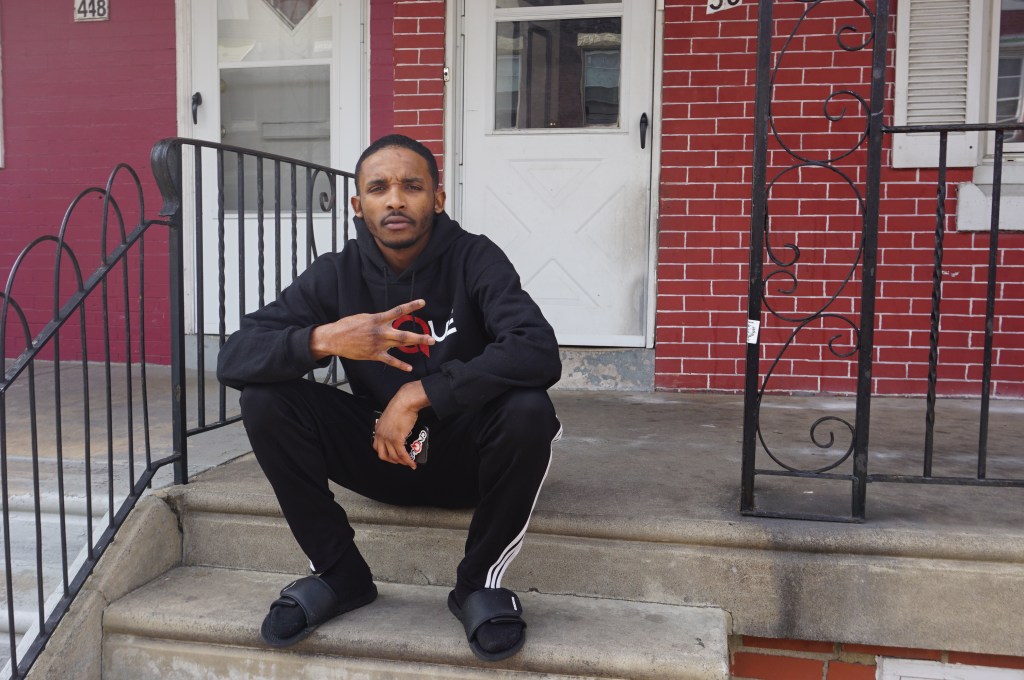
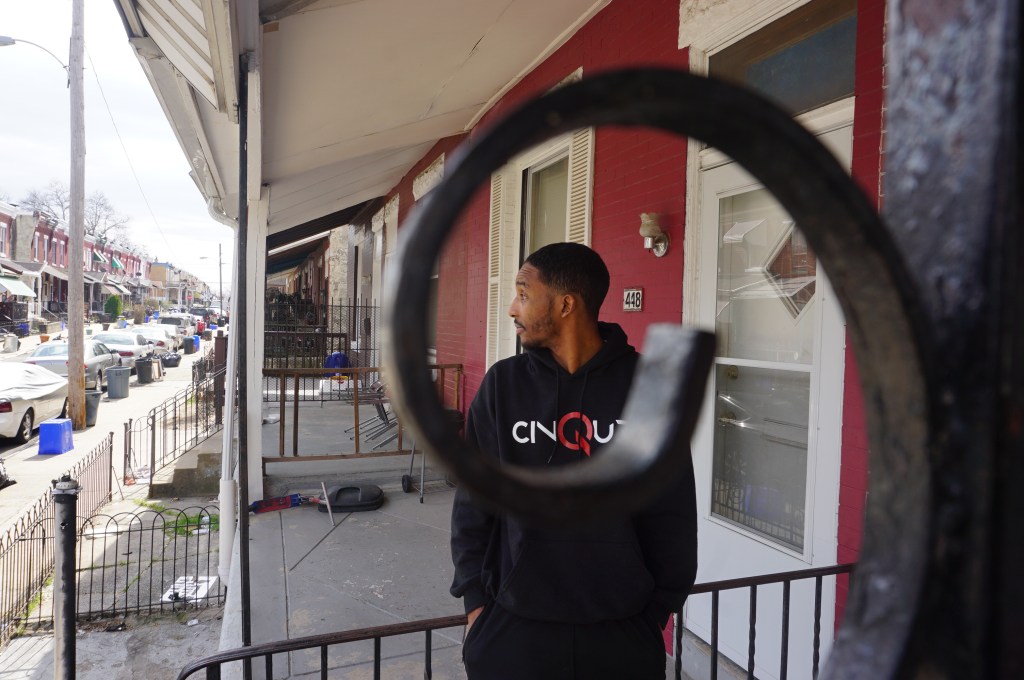
“I wanted it to be legendary” said Cinque38 in his in-home studio in West Philadelphia. On March 1st artist Cinque38 (Cinque Akbar) release DaBottom, a Love Story, his debut full length album. At 21 years old he displays a patience and wisdom seldom seen in young artists. His music and sound stems from hip-hop, and you wouldn’t be wrong to call him a rapper, however Cinque38 shies away from this label. “I’m an activist, I’m a visionary and I want to empower people” he says, “Music is a tool to empower them”.
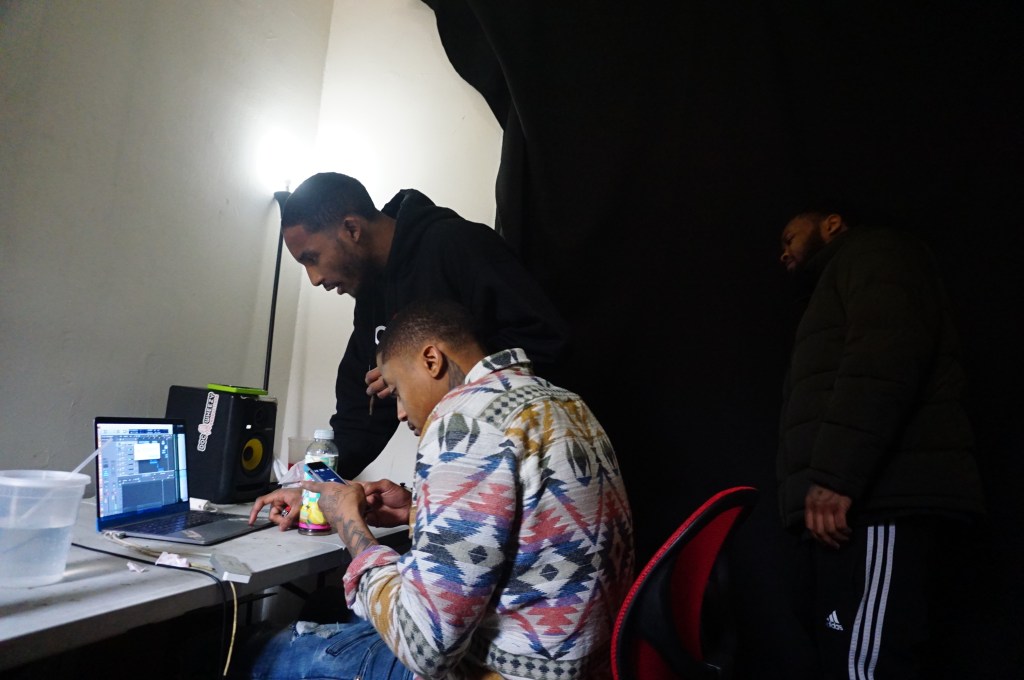
Much of the inspiration for this album comes from its name. DaBottom refers to Mantua, a small neighborhood which lies at the bottom of West Philadelphia, surrounded by the Schuylkill river and ever encroaching city universities, and is where Cinque38 grew up. His patience is illustrated in the process of preparing the album. He began creating this project when he was 17, and while young, his music matured exponentially over the following four years. The album never lingered, but rather blossomed. Cinque38’s ambition led him to self-produce, engineer and record the entire project.
“I remember going to work with producers early on and I didn’t like their vibe” he says. “They weren’t honest about how to best utilize my time.” These uncomfortable experiences motivated Cinque38 to teach himself to produce his own music, while also offering him the ability to craft his own sound; one that is truly unique in today’s age of hip-hop. This independence gave him 100 percent creative control. From the sound structure to the cover art, Cinque38 had complete influence over this project.
DaBottom, a Love Story delivers 16 tracks lyrically filled, with a poetic tone. While artists such as Drake, Roddy Rich and Lil Uzi Vert dominant the hip-hop Billboard charts, Cinque38 takes a sharp right turn in his music style. These artists are undoubtedly talented, but they’ve mastered the template to use their music to become financially successful, while possibly sacrificing the emphasis of their art. While Cinque38 acknowledges the necessity of financial independence, he isn’t motivated by stardom or glamour. On “Operation Skyfall” he raps “Ray said I shouldn’t talk about the rapist shit/said talkin about the secrets never made me rich.” Similarly, on “Eleventh Hour” he states “My superstitions got me stuck at a frequency/the fame aint my vibe, I like to make my moves secretly.” Rather, financial success motivates Cinque38 for selfless reasons. He’s determined to not just aid his family, but his present community as well. He raps on “Big and Pac”, “Fuck a chain n****, this aint for fame/the block needs heavy fixing, I can paint a picture of its pain.”
At a young age, it’s apparent he’s not afraid to go against the grain. As a student of history, he’s takes great interest in the lessons of war. “I look at the (music) industry today as old warfare, armies lining up in similar formations to slaughter each other”. To the contrary he says “I approach my music with a guerrilla warfare mindset”. He acknowledges the game young artists must play to reach the heights of the music industry, however he’s content with forging a new path. From talking with him you get the sense that he’s a purist, and it shows it his music. Like a chess player whose queen is boxed in, every lyric is strategically place, none are wasted. Every song is prioritized and offers a deliberate message.
When making the album he attempted to create a record that you could enjoy as a relaxing background ambiance, but could also capture and hold your attention with each line if you desired. The album is unique in it that has multiple themes. It is radical in its activist content, but possess a tone so that you feel at ease as if walking in the park yet, still provokes a Philly bravado that can spark your confidence. “I want people to be able to keep coming back to this album and hear something new each time” says Cinque38. He hopes listeners can take lessons away from his own mistakes and triumphs, all of which he articulately describes. Not only does he present his own experiences but, he examines the intricate problems of society, from politics and religion to classism.
Artists like Chance the Rapper, Lauren Hill, Kendrick Lamar and Tupac have all been inspirations for Cinque38, and undoubtedly their influence is heard in his music. This album encapsulates Tupac’s activist spirit, along with Lauren Hill’s melodies and Kendrick’s lyricism. But his inspirations go much further than just those. “I’m just someone who loves music” he says. From jazz, to blues, to soul music, they all are found in DaBottom, a Love Story.
Cinque38 certainly has a poetic style of rapping, which he acknowledges doesn’t conform to the popular sound of hip-hop today. However, he’s confident in his to ability for his music to be popularized. Artists like Andre 3000 and Kendrick Lamar have certainly succeeded at popularizing their music while also preserving their originality; there’s no reason that Cinque38 can’t as well. He’s felt the pressure to adapt to the music industries standards, but he doesn’t waiver. For when his music does reach popular recognition, he says “I look forward to telling people I told you so.”
This is only the beginning for Cinque38. To follow DaBottom, a Love Story he has an EP titled Fronts in the books, and he would like to create an ambitious catalogue of 9 albums total. Additionally, along with his brother, he opens his studio up to fellow artists looking to record music. It’s here where he’s able to put his production experience to use, and it’s one of the many ways he’s also able to use music experience to give back to West Philly.
As we continued talking, I asked him his thoughts on the focus of his debut project. DaBottom is everything for Cinque38. It made him who he is and gave him his drive. “It (DaBottom) doesn’t discriminate” he says, “It doesn’t matter who you are, or if you’re having a good day or bad day, it treats you the same”. I find this project offers a similar sentiment. It comes at you straight by putting its intentions front and center. DaBottom, a Love Story doesn’t discriminate by rejecting certain listeners, nor does it cater to any. It’s simply presented to be appreciated, but if one is bold enough to dive deeper into the its contents the rewards are endless.
On December 13th Movement Alliance Project (MAP), formally known as Media Mobilizing Project, held their annual Community Building Dinner. It offered a time for the city’s activist community to take a break from their various battles with Philadelphia’s establishment and rejoice over the year’s past accomplishments. It was an exciting evening, filled with the likes of community organizers and allied politicians. Young kids ran the halls while adults struck a pose in the photo booth. However, as the room stirred with activity one man beside me sat quietly taking it all in.
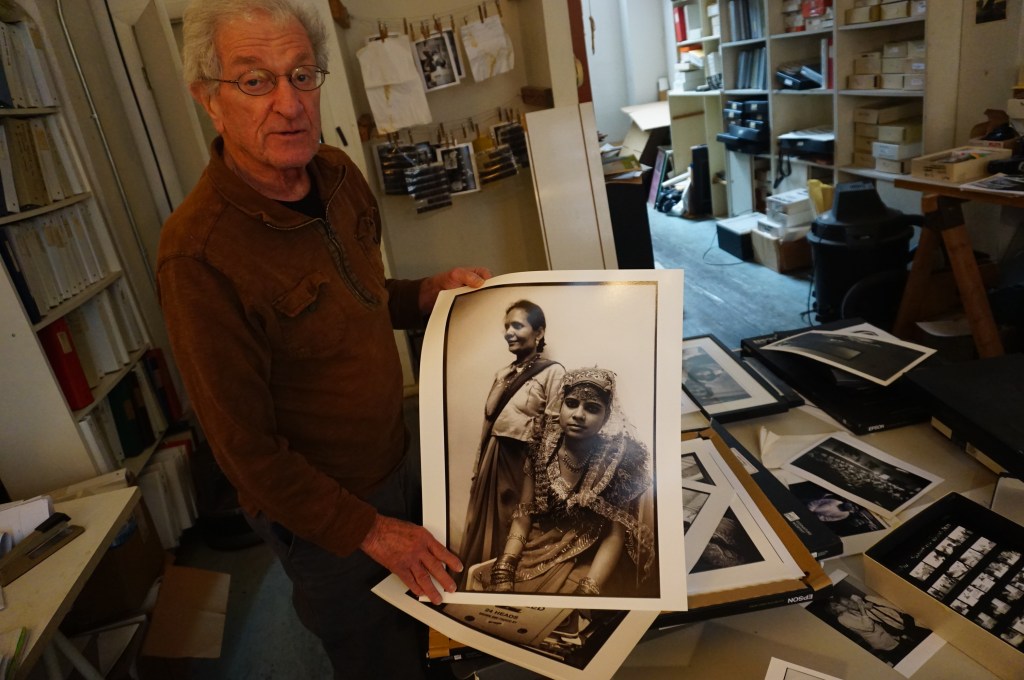
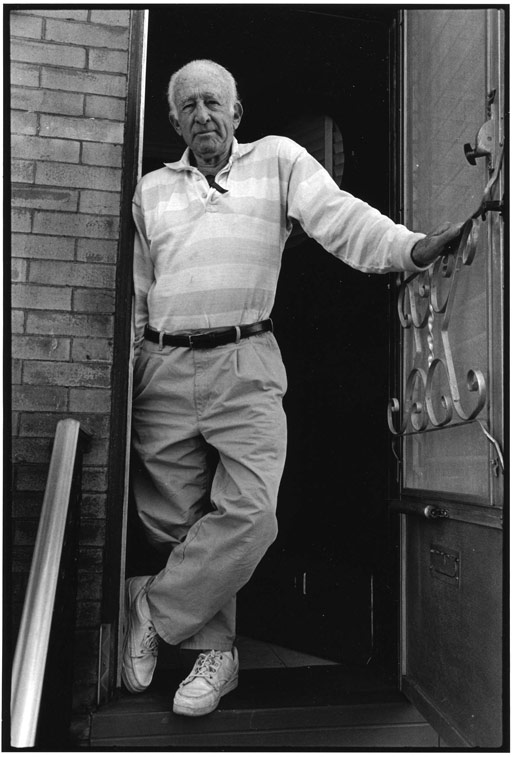
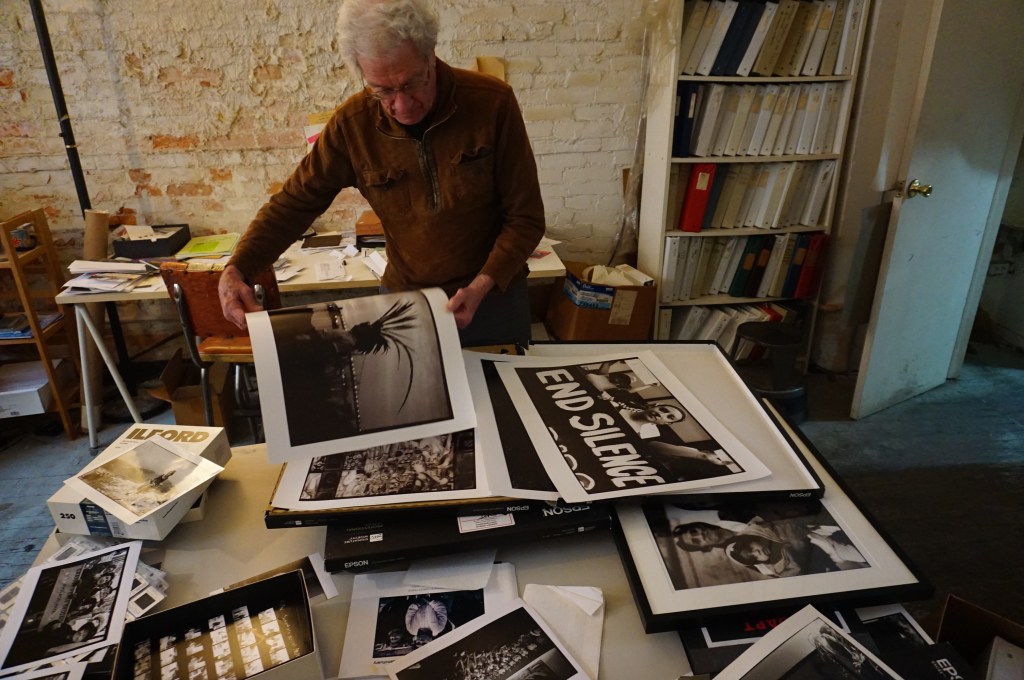
His name is Harvey Finkle, the renown photographer covering Philadelphia social movements and issues for the last half century. Finkle’s presence didn’t go unknown, in fact he was quite popular. As we sat and talked guest after guest made sure to venture to our table to greet Finkle; in a manner of paying respect, rather than gesturing a simple hello. Finkle’s work and achievements sprawls five decades and is practically endless. His work illuminates issues left in the dark, while simultaneously telling the historical story of Philadelphia and areas abroad. Recently I sat down with Finkle in his Sansom Street studio in Center City to learn more about his story and to highlight the incredible work he’s produced.
At 85 years old Finkle doesn’t seem to miss a beat. Without hesitation he recalls decades old moments he experienced while shooting demonstrations or protests. A native of Philadelphia, Finkle has lived almost his entire life in the city of brotherly love. He grew up in Oxford Circle and attended Central High School. “I didn’t like school that much” said Finkle “It was too containing”. School came second to Finkle during his early years. He described his love for jazz music and how him and his friends in the early 50’s would often attend jazz clubs. One in particular he mentioned was the Blue Note, a club that was located on 15th and Ridge in Fairmount. “We were 15 or 16, but it didn’t matter. You’d give the bouncer a buck and you were good to go in” he said. “I loved it; I could sit there for hours”. Years later, Finkle found that his interest in jazz translated into his photography. “Street photography is like jazz; you have to improvise”. Most of Finkle’s work is dependent on capturing a moment in real time. Just as jazz musicians adjust to the atmosphere of their audience, Finkle must instinctively adjust to the situation of his subjects.
Urban Nomads: A Poor People’s Movement
What struck me most about Finkle is that he didn’t grow up with an interest in photography, let alone art in particular. In fact, photojournalism is his second career. After serving two years in the army, Harvey graduated from Temple University and began a career in social work. He began his career as a case worker for the city’s welfare department and later transition to work around incidents of reported child abuse. Similarly to his love for jazz, Finkle found that his time as a social worker assisted him in his career as a photojournalist. “This was good training for me to be a photographer” he said, “Because you’re in a home where people don’t want you there” He continued his career in social work by helping to establish services for Pennsylvania’s elderly community, and went on to earn his masters in Social Work from the University of Pennsylvania, where he also later worked to establish a curriculum around matters of aging and the elderly.
Finkle’s interest in photography wasn’t sparked until 1961 when he visited an exhibit by Harry Callahan at the Philadelphia Museum of Art. He was inspired by Callahan and learned from his work, along with the works of W. Gene Smith, Andre Kerterz and Josef Koudelka. Following in their footsteps Finkle shoots predominantly in black and white film. However, it wouldn’t be until 1967 that he picked up a camera. This was around the time his children were born, and like any new parent, Finkle bought his first camera to ensure that no moment of his new family would be forgotten. Quickly, Finkle took a greater interest to photography and began snapping photos as a hobby. “I would walk the streets and just shoot what caught my eye” he said.
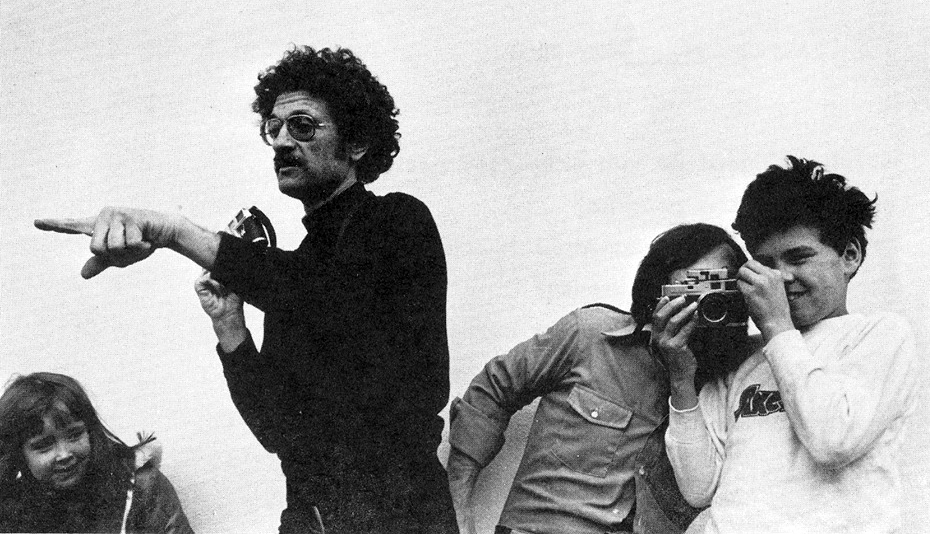
Finkle far left – Philadelphia Public School Notebook
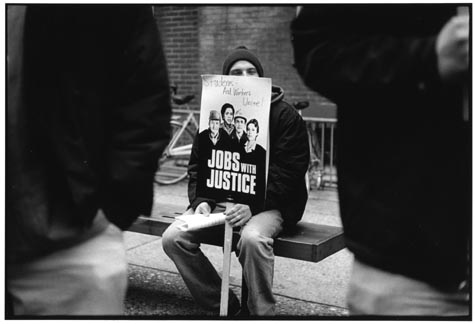
Year by year his interest grew, and by 1972 he had fully fallen in love with photography. His family photoshoots and street walking had transitioned into a full-time job as a freelance photographer and photojournalist. His career is too extensive to cover every moment, but he walked me through stories and moments that were influential to his work. His career covers a full spectrum of work. It includes long tenures with social movement organizations or outlets like the Philadelphia Public School Notebook, Juntos, Disabled in Action, Project Home and the New Sanctuary Movement, just to name a few. When these organizations held a protest or demonstration Finkle was their man there to captured it all. What was astonishing to me is Finkle’s generosity. When shooting for these organizations and those like it, he predominately shot free of charge. What’s most important for Finkle are the issues these people are fighting for.
Jobs with Justice Protest
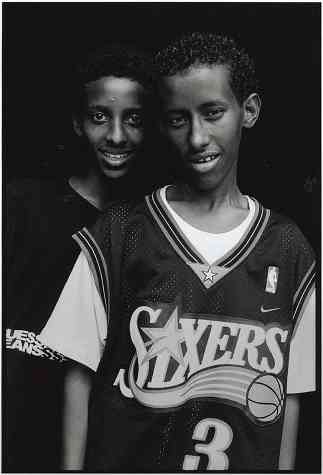
Philadelphia Mosaic: New Immigrants in America
When not shooting for allied organizations Finkle seeks stories that he believes are important and deserves to be told. His projects mainly focus on people and circumstances that normally go unnoticed by mainstream media sources. Issues of poverty, labor rights and immigration. He has created numerous exhibits that have been shared across the United States and displayed to international audiences. Partnering with the Honickman Foundation and the Philadelphia Free Library Finkle created the Philadelphia Mosaic exhibit. With this project he followed ten immigrant families through Philadelphia to capture what routine life is like for them in a new land. As he followed these families from their children’s classrooms, to their dinner tables and to their areas of worship he’s able to show the nuances of life these families share not only with one another, but with the surrounding Philadelphia community.
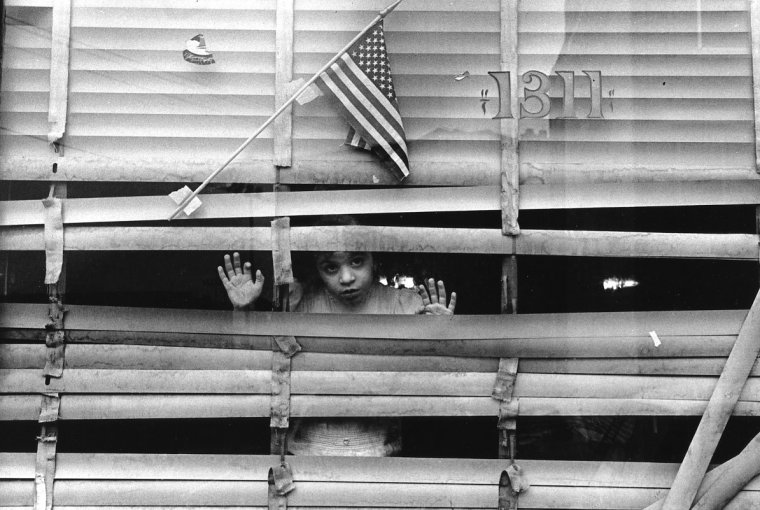
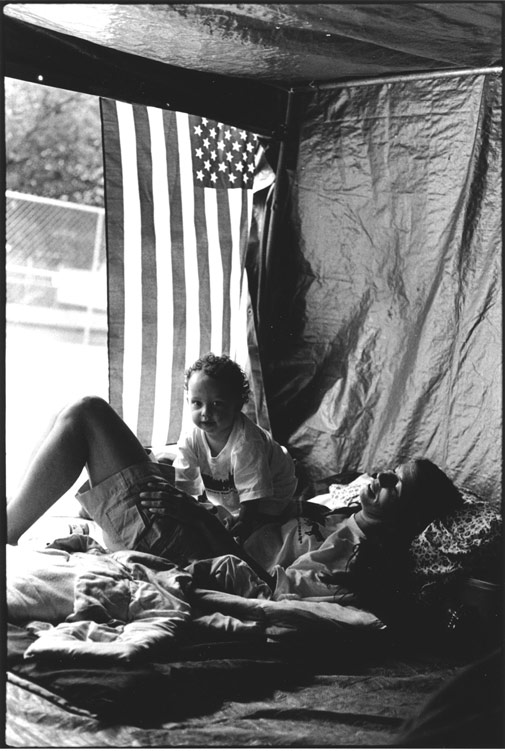
Finkle is able to find the reality of the subjects he’s shooting. For instance, the reality of poverty facing too many of our fellow citizens. Partnering with the William Penn foundation and the Kensington Welfare Rights Union, Finkle created Urban Nomads: A Poor People’s Movement – a project offering insight into the lives of Philadelphians living in extreme poverty and homelessness. His photographs tell the hidden narrative. When touring with this exhibit in Brazil Finkle recounted the astonishment on people’s faces. “They couldn’t believe that this sort of poverty existed in the United States” he said.
Urban Nomads: A Poor People’s Movement
Urban Nomads: A Poor People’s Movement
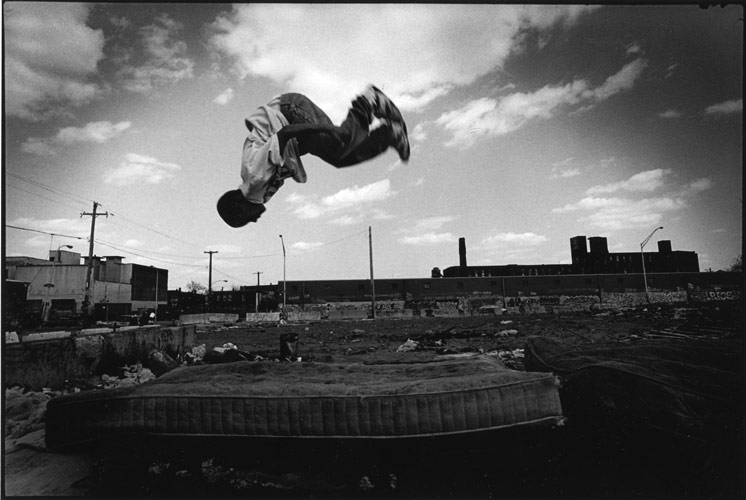
Finkle’s work also focuses on the history of Philadelphia. One of his most well-known projects is Still Home: The Jews of South Philadelphia. South Philadelphia was known for its many immigrant communities who settled there in the 19th and 20th centuries. What once was a sprawling community of over 200,000 Jewish people, had dwindled significantly by the turn on the millennium. With this project he captured the spirit of an aging but vibrant community and its contribution to the history of South Philadelphia.
Finkle’s collection of work is a time machine of the social, political and activist history of Philadelphia. For me, Finkle is not only a Photographer but is a historian. As we talked, he described moments in Philadelphia’s history that has shaped the wrought city into its existence today. One moment in particular was the 1967 Philadelphia School Board hearing, in which 3,000 mostly black students march upon the Board of Education building to demand curriculum and school policy changes. These brave students were met by riot officers wielding night sticks and police dogs, sent by orders of then police commissioner Frank Rizzo.
Still Home: The Jews of South Philadelphia
This powerful but unfortunate demonstration was significant for Finkle. Concerned citizens disgraced by the treatment of African American students in the classroom and the city’s violent response to their peaceful protest spawned the People for Human Rights movement in Philadelphia. From this movement, Finkle cofounded The People’s Fund, – a nonprofit organization whose mission is to raise money for grassroots organizations working for “racial equity and economic opportunity for all” – which today is known as Bread and Roses Community Fund.
His experiences in progressive movements offers a distinctive perspective on Philadelphia. I was intrigued in hearing his thoughts on the current state of the city. “Philly is a tale of two cities” he said. Everything has changed culturally for Philadelphia according to Finkle. The city is much more vibrant and active in many areas, but for many less fortunate people nothing has changed. “It hasn’t changed for those who are poor.”
Currently Finkle is working on archiving his work. A task that isn’t easy for someone with five decades worth of material. Once complete, people will be able to absorb work that offers a realism into the social struggle for equality, along with the hidden history of Philadelphia. I asked Finkle to offer a word of advice for aspiring photographers. With little hesitation he said, “Do it. Take out your camera and click it”. He urged photographers to pave their own path. “Find what’s important to you and tell that truth through your photographs.”
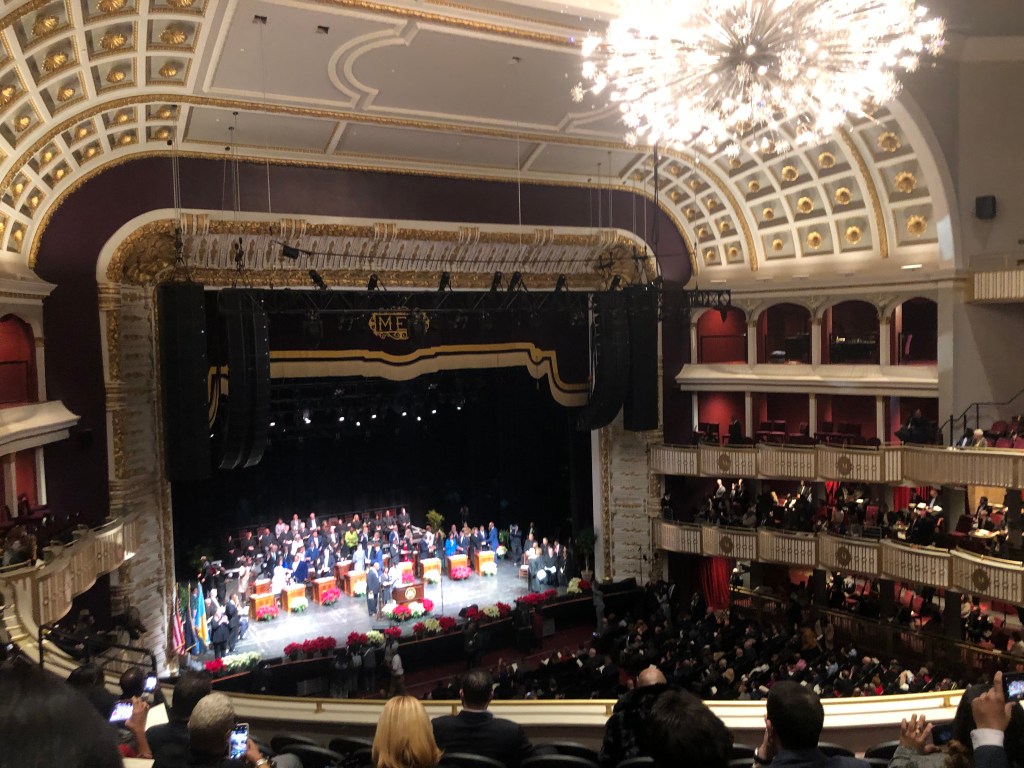
In the beautifully renovated Met theater, a crowd of family, friends, campaign workers and an assortment of Philadelphia political leaders watched eagerly Monday morning as a cohort of city officials took their oath of office. The inauguration was heterogenous to say the least. The ceremony included the swearing in of City Commissioners, a new Sheriff, Register of Wills and Municipal and Court of Common Pleas judges. Albeit unfair, the attention of the audience was monopolized by the inauguration of City Council members and incumbent Mayor Jim Kenney.
City Council was welcoming (some more than others) four new faces, all of whom are younger and pledge to bring a wave of progressive policies; whether they deliver on these promises we must wait and see. Once sworn in and their family members brushed off stage, the newly inaugurated Council proceeded to formally appoint a Council President. With no public debate or deliberation, council members appointed Councilman Darrell Clarke to a continuous term as Council President. Additionally, despite Mayor Kenney’s unsurprising campaign victory, audience members were eager to hear what he has in store for his final term.
Mayor Kenney spoke on achievements of his administration’s first term and illustrated a five-point plan for what he hopes to address going forward. He touted the development of his city-wide pre-k program and gaining local control of the Philadelphia School District. Although he failed to elaborate on the details, he spoke about meeting “ambitious climate goals” and pledged to work with the state legislature to increase school funding.
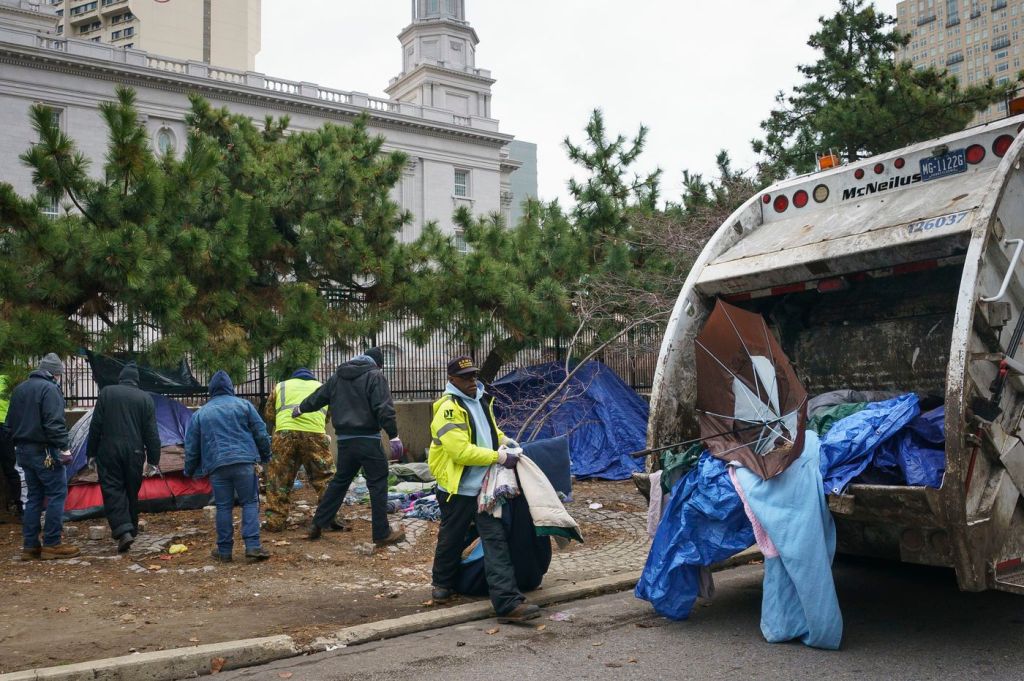
However, while he addressed many other important topics, Mayor Kenney failed to address the forced removal taking place throughout the city. While the Philadelphia Boys Choir sang The Star-Spangled Banner and clergy leaders addressed the audience with prayers and readings, Mayor Kenney’s Department of Parks and Recreation was forcibly removing homeless citizens from multiple encampments along or near the Vine Street Expressway. The encampments were located on what is considered park land. According to reporting by the Inquirer three sites were targeted, leading to approximately 30 people displaced, despite some legal discrepancies on if the city can legally remove people from public park land.
Residents of the camps were given prior notice about the displacement, but some choose to stay, and on Monday morning they watched as employees from the Department of Parks and Recreation, armed with trash trucks, trampled through what little dignity they still preserved. In Mayor Kenney’s defense, beds were made available for every resident being displaced in one of the city’s homeless shelters and some residents took the opportunity to move inside.
Jessica Griffin/Staff Photographer Philadelphia Inquirer
Homelessness is one of the most vital issues facing any community. Despite Philadelphia’s massive poverty rate – the highest in the nation out of the ten largest cities – it has a comparable low unsheltered homeless population. As of 2018 approximately 1,000 residents were living on the street. This is due to Philadelphia’s committed outreach efforts spurred by Project HOME, a nonprofit organization dedicated to providing full circle homeless services. The city is also partnered with 25 shelter programs, all of which operate 24 hours a day. Comparably, homeless shelters in most other large cities only provide services from sundown to sunrise, making it much more difficult to transition people out of homelessness permanently.
It is unclear whether Mayor Kenney gave a direct order for this mass removal, however the Department of Parks and Recreation is a city agency under the Mayor’s office directive. Presumably, something of this magnitude, with multiple department coordination, must be subject to Mayor Kenney’s approval. I do it thinks vital that our city works together to ensure our homeless citizens have a safe place to live, especially during the winter. Yet, this does not seem like the reason for this displacement. I would ask Mayor Kenney if the goal of the displacement was to ensure the residents of these encampments were moved indoors, why send a team of Parks and Recreation employees with shovels and trash trucks? Rather, wouldn’t it be more productive to assist these residents with social workers from the Office of Homeless Services? In at least one of the camps, half of the residents had vacated because of the city’s posted notices of the eviction. Were efforts made prior to Monday’s removal of finding safe shelter for these people, or was the goal simply to have them move to a less frequented section of the city?
To clarify, I do appreciate the city’s efforts in partnering with community organizations to serve Philadelphia’s homeless population. Nevertheless, it does rub me the wrong way that while Mayor Kenney was being sworn into office, his administration was forcibly removing homeless people from multiple camps throughout the city. Mayor Kenney spoke on his agenda for homeless people one time in his inaugural address. He said “We’ll continue our historic investments in housing affordability, homeless services, and homeownership. This will help stabilize Philadelphians struggling amid poverty and grow our middle class.” Better than Council President Clarke’s complete lack of acknowledgement in his inauguration day address. Poverty has been and still is a major issue facing Philadelphia. Both Councilman Clarke and Mayor Kenney pledged to lift 100,000 people out of poverty by the end of their terms, a bold goal that would reduce the poverty rate by 25%. I hope they will both collaborate in their upcoming terms on ways to ensure our homeless population isn’t forgotten in this ambitious fight, so that when the next mayor is taking their oath of office, he or she won’t also be evicting some of our most vulnerable citizens.
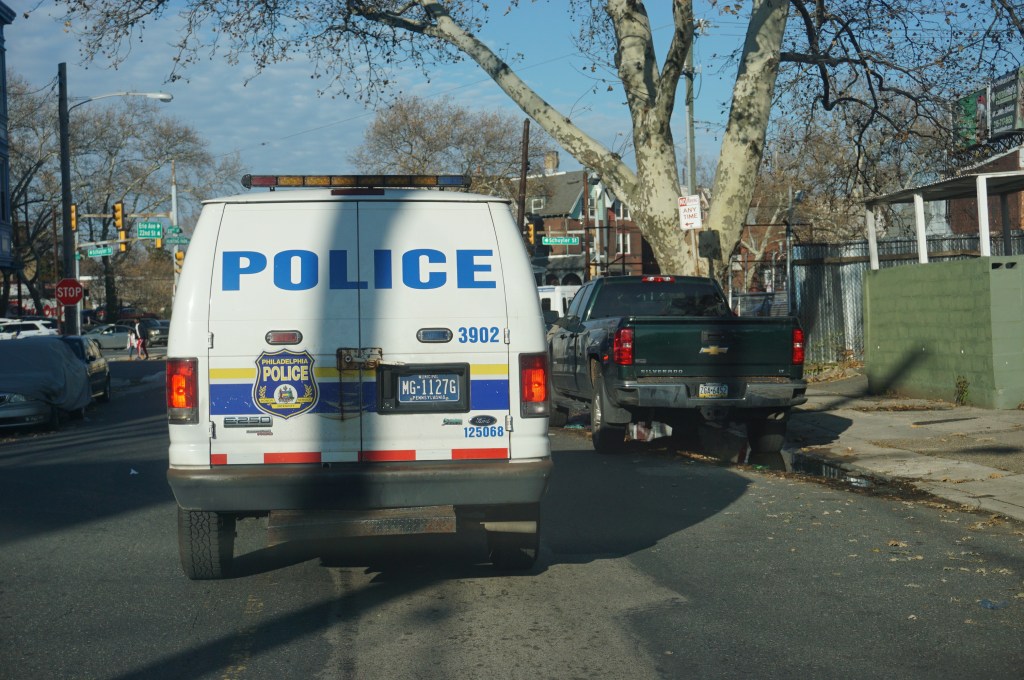
If you mention the Philadelphia Police Department the first thing that may come to mind is the mid-August police stand-off in the Nicetown-Tioga neighborhood of North Philadelphia. A stand-off that resulted in six officers wounded and chaos at the doorsteps of worried neighborhood bystanders. While this was an unfortunate situation for both the officers involved and the residents of Nicetown-Tioga, it has seemed in some way to overshadowed the many worrisome stories involving the Department and its officers. Since June 2019, as if on cue, a new scandal involving Philadelphia police officers has surfaced almost monthly. Some involving Department practices, others involving varying inappropriate behavior by officers.
The recent string of scandals began in early June with the publication of the Plain View Project, a report that collected the Facebook accounts of approximately 3,500 active and retired officers, spanning eight police jurisdictions, who had authored offensive and disturbing messages. There are roughly 6,500 officers on the police force in Philadelphia, making it the fourth largest police department in the country. The Plain View Project was able to identify 1,073 Facebook accounts for Philadelphia police officers, of which 327 made “troubling posts or comments”. If you believe these numbers are an accurate sample size for the entire department, it shows that one in three officers walking the streets, patrolling neighborhoods and writing police reports has bigoted, offensive or disturbing feelings towards a large portion of Philadelphians. An investigation by the Philadelphia Police Department has led to the firing of 15 officers and a 30-day suspension for 7 more.
On August 20th, then Police Commissioner Richard Ross, resigned after female officers Audra McCowan and Jennifer Allen filed a federal lawsuit against Commissioner Ross and many of other high-ranking officials in the Department (including interim police commissioner Christine M. Coulter). This lawsuit had two major consequences. It detailed an alleged (which I believe) abundant culture of sexual and racial harassment in the Department. Additionally, McCowan – who has since resigned from the police force due to increased harassment from her fellow officers – claims Commissioner Ross “Ignored” her accusation of another officer that was sexual harassing her, because Ross was “seeking retribution” against her for ending an affair the two had between 2009 -2011. Ross resigned shortly after the lawsuit was filed. The tabloid drama of an affair doesn’t bother me, but an alleged culture of sexual and racial harassment by police officers is very troublesome, along with a commissioner’s alleged reluctance to mitigate that culture.
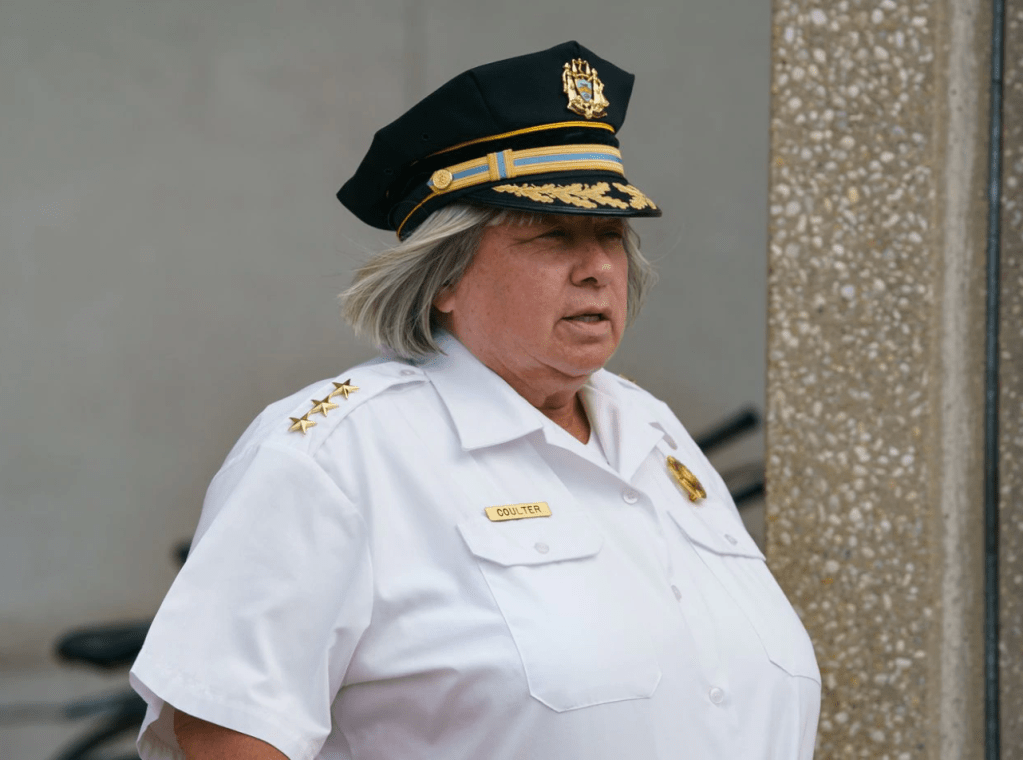
Ross was replaced by Deputy Commissioner Christine M. Coulter, who currently serves as interim Commissioner until Mayor Jim Kenney is scheduled to appoint a formal Commissioner by the end of 2019. The city had just appointed its first female Police Commissioner following the development of a sexual harassment scandal within its department. This should have been a joyous occasion. Unfortunately, the honeymoon was cut short. Ten days after Coulter was promoted an article was released that shows a 1990’s picture of Coulter sporting a t-shirt that reads “L.A.P.D. We Treat You Like a King”. Set aside the fact that the shirt is blatantly offensive and disrespectful to any Black person, or someone who believes in justice, Coulter responded by not apologizing for ten days.
Council Woman Cindy Bass called for her resignation, which I agree with. I’m not saying Coulter is racist, I don’t know the woman, I didn’t know of her role in the police department until her promotion. But I do know that a Police Commissioner who presides over a city that is 44% Black should have never in her past reckoned that it was ok to wear such a shirt, nor should it have taken her more than fifteen minutes to apologize for her behavior.
Fast forward a couple weeks, the Philadelphia Inquirer published an article detailing the arbitration process for dismissed or punished officers. The arbitration process is a product of the contract reached between the Fraternal Order of Police Lodge No. 5, the officer’s local police union, and the Police Department itself. Any officer fired or disciplined by the Department, through an investigation by its internal affairs division or Department officials, is given the blessing of a final review by a third-party mediator.
I’m all in favor of strong unions that can provide helpful
protections for its workers, however this arbitration has the effect of
possibly over protecting, and in many cases putting bad cops back on the street
at the expense of the public’s trust, or even safety. In many cases cops who
have committed domestic violence, sexual assault or various other crimes have
been reinstated or had their punishment reduced thanks to the arbitration
system. The arbitration process requires testimony from victims or witnesses of
the behavior in question by the officers. Often, these officers are successful
in their grievance because witnesses are unable to appear, either because the
hearing is months or years after the event took place, they fear retribution
from the officer or the simple can’t be reached.
According to the article, the last four Philadelphia Police Commissioners are critical of the arbitration system. They believe, as do I, that this system is detrimental to securing trust between the Department and the people it’s sworn to protect. If an officer is suspended/fired for falsifying a testimony, making an illegal arrest or being a danger to the community while off duty, but is sent back on street with a gun and a badge and the authority to beat, detain and even kill other people, all while receiving back pay, you’re damn right a community and its people would be cynical with the system its entrusting with its safety.
Jump ahead a month to October 14th, and Philadelphians are looking over their shoulders seeing if it’s safe to take a big deep sigh of relief from the constant embarrassment of its Police Department. Collectively, the city opens the Philadelphia Inquirer, and to their woe must hold that sigh of relief for a brighter day. This time, it appears that Philadelphia police were drastically increasing the number of traffic stops they were conducting, an overwhelming majority of which were falling on Black and Latino drivers. Attorney Michael Mellon of the Defenders Association of Philadelphia discovered that as of the first half of 2019 police were making on average 10,000 more stops a month compared to years prior. While only combining for approximately 57% of Philadelphia’s population, Blacks and Latino’s composed 74% of all vehicle stops and 80% of all vehicle searches during this time.
A 2011 lawsuit over the racial disparities in stop and frisk violations in Philadelphia included, but did not focus on, vehicle stops. This lawsuit resulted in a consent decree between the city and local civil rights attorneys, giving the attorneys inspector privileges of future pedestrian and vehicle stops. These attorneys have previously prioritized pedestrian stops, but have signaled that they will be adjusting their focus to vehicle stops and searches. What’s most alarming about these findings is that although Black and Latino drivers have their vehicles searched four times more often than white drivers, white drivers are found with contraband at a higher rate.
What does this mean for Philadelphia, a city who isn’t foreign to conflicts between its citizens and its police department? These recent incidents are not the first examples of indecent behavior by Philadelphia cops. Other examples include the 2011 lawsuit against the city for its harassing use of stop and frisk, a list uncovered by the District Attorney’s office detailing names of officers too tainted and untrustworthy to put on the stand in court proceedings and the infamous 1985 MOVE bombing that left 11 people dead and an entire city block of homes burned to the ground. The recent string of events simply adds to the long history of an unsettling relationship between the police and the people it’s sworn to protect. Unfortunately, the last many months has only made it more difficult to rebuild this relationship.
However, there are opportunities Philadelphia can employ to work towards gaining its citizens trust back. Mayor Jim Kenney has announced that he hopes to have a choice for a new police commissioner by the end of 2019. Eagles safety Malcom Jenkins, who since 2017 has been very vocal around criminal justice reform and police brutality, has put Mayor Kenney on the hot seat by publicly stressing the need for Kenney to nominate a commissioner who is dedicated to reforms within the department. Jenkins also demanded that the public have an input on the search for a new commissioner and that the process be transparent. In a recent op-ed in the Inquirer, Jenkins said “If the commissioner avoids us when just a candidate, how will that person respond when he or she’s already in office and things get hard”. Jenkins also advocated for a commissioner who has the courage to stand up to the police union, a remark that issued an unsurprising rebuttal by union president John McNesby.
I’m very much in support of citizens becoming active in holding elected official responsible, however, it’s unfortunate that these demands haven’t come from our City Council representatives directly, the people we empower to make these decisions for us. Hopefully, with the election of four freshman City Council members, who ran on agendas that included progressive (some more than others) criminal justice reform, we will see a change in this regard.
 HOLD -UP